Author: Stefano Gatto

  • Relating to India: the different approaches of the United States and the European Union

    Relating to India: the different approaches of the United States and the European Union

    In an earlier issue of this magazine we analysed the powerful rise of China and India and the consequences for international scenarios in the coming decades. The extent of this deep change is revealed by the fact that for the first time since the industrial revolution the greatest growth in the world economy will not take place in the wealthy countries but in regions where the majority of the population will still be relatively less well-off for several more decades.

    The predicted growth highlights the danger of a gradual marginalisation for European countries, without this necessarily implying they will be overtaken by the new Asian powers in terms of living standards, access to wealth and services, and per capita income. It does suggest, however, a decline in Europe’s influence on the world economy.
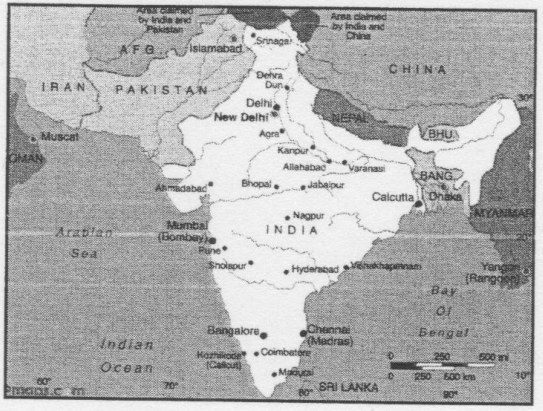
    Although international attention is currently still more sharply focused on China than India, still experiencing a relative delay in economic reforms, over the last two to three years India has been attracting the interest of observers. In this article we will analyse how the United States and the European Union are approaching their relations with the second Asian giant and we will attempt to highlight the similarities and differences.

    The United States and India: hard power to the fore
    Since independence (1947), India has never had particularly friendly relations with the United States, nor has Washington taken any special interest in the Asian country.
    Although Nehru had a basically socialist approach, within in the Congress, there were also supporters of liberal economic policy, led by Sardar Patel, the interior minister in the first government after independence.
    It would be simplistic, however, to reduce the reasons for the coolness between New Delhi and Washington to this socialist aspect. Nehru, who completely dominated Indian political life until his death in 1964, was far from being anti-American. His socialism was ideological rather than
    intellectual, and his vision of a planned economy was the outcome of analysing the specific needs of a backward country in which free enterprise would not have been enough to drive development.
    To the contrast between planners and liberals we must add at least a third view, which was of great importance during the run-up to independence: Gandhi’s vision of developing an India of villages, i.e. the idea of creating thousands of self-sufficient centres in which the population would have produced clothes and food directly, with no need for industrialisation, which the Mahatma considered unsuitable for India. The struggle for independence was, however, ultimately mainly funded by Indian big business and Gandhi ‘s death basically put an end to the
    dream of a self-sufficient, austere rural India.
    The need to meet the enormous economic requirements of the Indian population led Nehru to adopt a planning-type approach, masterminded from the second five-year plan (1956-1961) on by the economist Mahalanobis.
    From then until the beginning of economic liberalisation in 1991 (under the Rao government, when the finance minister was the current prime minister Manmohan Singh), Indian manufacturing industry was state-run or dependent on state licences for every decision (the so-called raj licence).

    In a country proud of independence won peacefully through its own efforts and with no significant outside help, there was a very deeply felt need to keep control over its own development, economy and foreign policy. This explains India’s reluctance to encourage foreign investments and its strong degree of economic protectionism, although this has
    diminished since 1991.
    The background of independence also explains Nehru’s key contribution to the non-aligned movement from the Bandung Conference on. Thus the difficult relations with United States should not be explained by any a priori Indian alignment with the Soviet Union, but rather a whole set of factors which led India – one of the countries proudest of its own culture and specific nature – to choose an independent path. Under Indira Gandhi, the difficult economic situation and the radical change in political direction she introduced led to increasingly close
    relations with the Soviet Union, without this implying economic – never mind political – kow-towing to Moscow. The Chinese ‘betrayal’ (the SinoIndian war of 1962) also helped push New Delhi towards closer relations with Moscow, at a time when the US was increasingly looking more favourably on India’s traditional adversary – Pakistan.
    In the 1980s, Rajiv Gandhi launched a process of economic reforms, albeit still very tentative. Since 1991, however, India really has been gradually opening up its economy.
    In the new international context after the fall of the Berlin Wall, it became increasingly difficult for India to keep a low profile in relations with the world superpowers. The basically cool relations between Washington and New Delhi continued at least until the great political change that led to the first right-wing nationalist BJP government in Traditionalist in the socio-cultural field but liberal in economic policy, the Vajpayee government sought to establish more friendly relations with the United States. Nonetheless, the Pokhran nuclear tests led to a technology embargo being imposed on India, since although now a nuclear power, the country had not signed the Nuclear Non- Proliferation Treaty (NPT).
    After 11/9, the strategic scenario scene changed dramatically: while Pakistan was still a fundamental ally for the United States, Washington was also aware it could not sacrifice its relations with the emerging power of India and a population of over one billion people. A fundamental factor in this assessment is also Washington’s obvious need to strengthen military and technological relations with New Delhi, also in an antiChinese key. China’s rapid economic growth, foreshadowing even possible military aggression in the coming decades, means that Washington must cultivate a positive relationship with India, the only power large enough to curb Chinese expansion in Asia.
    With New Delhi’s special relationship with Moscow on the wane and the differences in outlook on economics fading, there were still at least two major obstacles on the road to closer relations between the United States and India: the relationship between Islamabad and Washington, and the nuclear embargo following the Indian and Pakistani tests in 1998.

    That is why the announcement of an agreement on nuclear matters signed by India and the United States during prime minister Singh’s Washington visit (July 2005) must be seen as a fundamental step with several consequences.
    Relations between United States and India, have effectively been officialised: the agreement the United States no longer requires that India sign the treaty of Nuclear Non-Proliferation, implying that it is acknowledged to be an extant nuclear power outside the criteria of the
    treaty.
    It must be remembered that in addition to the five permanent members of the Security Council, only India, Pakistan and Israel officially have nuclear arms. Since both India and Pakistan were subject to embargoes on technology susceptible to twofold uses, the introduction of the nuclear agreement signifies admitting de facto that India is a member of the club of officially accepted nuclear powers.
    The agreement announced by Bush and Singh includes an end to the embargo and the setting up of co-operation on civil nuclear uses.

    For its part, India must respect the conditions concerning the separation between civil and military nuclear programmes and installations (at present they overlap), and accept a freeze on nuclear tests, controls on the export of sensitive material and a commitment to non-proliferation.
    Pakistan can’t demonstrate that these conditions exist and there is evidence of Pakistani scientists’ involvement in states which in the past (Libya) or present (North Korea) have set up nuclear programmes or are nuclear powers (China).
    Thus in one fell swoop India was acknowledged as having nuclear status, and was recognised as an emerging power with its own claims to become a permanent member of the UN Security Council. It also won an objective strategic advantage over Pakistan, with which it has set up a
    ‘comprehensive dialogue’, and despite considerable difficulties, this is helping cool down tension between the two great rivals on the Indian sub-continent.

    Another great benefit for India from this agreement concerns energy: the rapid growth of the Indian economy could be stifled by shortfalls in this field, almost inevitable given the current pace of development. Despite the discovery of large new oil fields in the Gulf of Bengal, rising energy requirements in the coming decade will be so great that this fundamental equation must be solved by New Delhi immediately.
    India expects to increase its nuclear energy production tenfold by 2020, and this is one of the other key points in the agreement with America. In the light of the new emerging strategic balances, India and the United States have set up a programme of military co-operation, which is something completely new compared to past relations. Recently the first joint India-US air manoeuvres took place in India, and that would have been unthinkable even only a few years ago.
    Developments in recent years suggest more orders for military supplies will be placed with American firms, without implying, however, that European countries, especially France (Mirage planes and Scorpion submarines) but also to some extent Germany, have been ruled out of the
    game. India’s traditional arms supplier is Russia, and it still plays an important role in this field.

    A recent order for F16 fighter planes placed by Pakistan alarmed India.

    The United States thus promptly offered some F18s in what can definitely be described – and it was denounced as such by the European Parliament – a dangerous military escalation in south Asia. What is surprising is that the purely economic-trade element of relations between the United States and India is relatively less important compared to the military-strategic aspect we have just described.

    Trade relations between India and the United States have been anything but impressive and they have mainly been concentrated in the services sector, through the phenomenon of outsourcing (relocating ‘back-offices’ and providing services via the Internet from India) an area in which the Asian country has become a world leader.
    There is very little trade in goods, and it has to struggle against relatively closed markets both in India (high tariffs) and the United States (non-tariff barriers, especially of a health kind).
    Direct US investments in India are also relatively small, while Indian legislation does not allow large financial or speculative investments by non-residents (which safeguarded the country during the financial crises in recent years).
    The increasingly influential Indian immigrant community in the United States is mainly made up of well-trained people who are very successful in business. This is a far cry from the situation of other kinds of immigrants, who are less well integrated into American economic and
    social life.

    Although the Indian lobby in Washington is still not comparable to Jewish pressure groups, its influence is beginning to be felt, thus promoting even closer Indian-American relations.
    One of the key issues for India, given that it has been recognised as a military and economic power, is the reform of the United Nations Security Council, sanctioning its new status as a permanent member of the Council.
    Although the United States has never overtly come out for or against this idea, and India is probably one of the most solid candidates, incurring no particular opposition from any other member of the council, unlike Japan.
    The proposals of the so-called G-4 group (Brazil, Germany, Japan and India) at the recent Millennium summit were not accepted. They had wanted five new permanent members (the G-4 plus an African representative) and several non-permanent members, and opposed the alternative coalition of the Consensus Club, in which Italy played an important role, and the position of the African Union, which wants two seats for its own continent.
    The issue of the existence of the right to veto for any new permanent members has elicited different responses: India insists on the right to veto, while the other G-4 members are willing to give up this prerogative.

    The European Union and India: the prevalence of soft power
    The Security Council reform is a good place to begin analysing the European Union’s attitude to India compared to the United States’ approach.
    There is notoriously no joint European position on the Security Council reform and this has unfortunately greatly tarnished the image of EU foreign policy in the eyes of an emerging player like India.
    Recently India has adopted an ambivalent attitude towards the European Union: although one of the first countries to recognise the international character of the European Communities, back in 1964, and having signed a co-operation agreement in 1974, India has little knowledge of the specific features of the European Union, its prime trading partner and leading foreign investor, and this is even true of the intellectual elites.

    In India people commonly think that the European Union is no more than a trade bloc, similar to the FTAA or ASEAN, while there is no awareness of the political, cultural and social aspects making the European Union a unique case of economic and political integration, and a new form of international governance.
    Various factors contribute to this low profile:

    • •India’s vision of the EU is basically filtered through Britain, a country with the largest Indian community in Europe, where most of the Indian elite study and where the Indian correspondents gather their information on the European Union. The Indians thus only tend to know the British version of Europe with all the attendant consequences.
    • •The relatively low international exposure of the Indian economy makes the European Union’s strength in the trade field less visible: although the European Union is India’s no. 1 trading partner, the Indians tend to underestimate the importance of the EU’s joint trade policy, because India’s trade with the rest of the world is relatively small compared to the strategic importance of the country.
    • •The Indian political class can certainly not be described as young and the intellectual reference points for the current government are still rooted in Nehru’s vision of international relations, when Europe was still at the infancy stage.
    • •A young state proud of its independence, India toils to recognise new forms of international governance or the idea of relinquishing sovereignty (see, for example, its reluctance to subscribe to the International Crimes Tribunal, the Nuclear Non-Proliferation Treaty and the Kyoto Protocol).
    • •An emerging state power, India prefers to interact with the twenty-five individual states, which it sees as being smaller than itself, rather than with an integrated single player like the European Union.

    For its part, Europe had long neglected India: the absence of a clear Asian strategy in the European capitals was reflected in the lack of a strategy towards India in Brussels, partly because of India’s relatively minor economic importance before its economic reforms.
    In the 1990s the situation changed, but for several years the framework of reform was still deemed not sufficiently clear and India was seen as ‘not worth the trouble’.
    In recent years the Europeans have discovered India: the reforms and liberalisation have become irreversible (even though they are not always introduced very quickly), growth rates are very high and the country’s potential is immense. It has emerged as a world leader in services and as an indispensable partner in strategic terms. In short, India has become
    fashionable and the old saying ‘China, not India’, has now become ‘China and India’.

    Since 2000, the European Union and India have held annual political summits, accompanied by meetings involving businessmen. The European Union only has a similar kind of relationship with the United States, Russia, Japan, China and Canada.
    It took some time to get these India-EU summits fully functional, but the meeting held in The Hague (2004) approved the drafting of a strategic partnership between the European Union and India, and thus opened a new chapter in bilateral relations.
    India and the European Union have gone beyond all the outmoded definitions and prejudices to set up a vast range of joint actions, extending the spectrum of relations from trade and cooperation development, previously almost the only fields of joint action, to a set of
    more ambitious relations.
    The joint action plan for the new India-EU strategic partnership, approved at the recent New Delhi India-EU summit (7 September 2005) includes the following chapters:
    – Strengthening dialogue and consultation mechanisms;
    – Deepening political dialogue and cooperation;
    – Bringing together people and cultures;
    – Enhancing economic policy dialogue and cooperation;
    – Developing trade and investment.

    This set of actions is very wide ranging and detailed. And even if the action plan is only partially implemented, it will lead to considerable intensification of India-EU relations.
    These new developments are important for various reasons.
    Firstly, India and the European Union jointly recognised their own importance on the international scene and have decided to set up routine consultations on almost all international topics. India recognises the specific nature of the European Union and its political and trade features, and has set up a dialogue that goes beyond existing relations with
    individual EU member states.
    The European Union recognises the growing importance of India, its enormous potential and the need to have closer relations with the Asian country ahead of future developments that will go beyond the current relatively limited relations.
    India’s strategic importance makes the country’s participation in large international projects indispensable: announced at the summit, India’s membership of the European Galileo Satellite Navigation Systems project, along with China, means that this project can develop uses of
    technology for civil purposes complementary to the American GPS, and thus opens up interesting strategic prospects.

    Similarly, there will be closer cooperation between Europe and India on energy, with the announced Indian membership of the ITER thermonuclear project, of which the European Union owns fifty per cent of the capital. Also involving the United States, Japan, China, Russia, and South Korea, this project could revolutionise future energy scenarios, its main aim being to develop technology for hydrogen-based nuclear fusion.
    University exchanges will also be stepped up with the opening of an ‘Indian window’ for researchers and students in the Erasmus -Mundus programme, and the participation of Indian institutions and scientists in the Sixth Framework Scientific Research Programme.
    These are all important laboratories for the future: the European Union and India have decided to work on the basis – to use Nye’s expression – of ‘soft power’ methods, and multilateralism will inevitably be strengthened by this new strategic axis.
    The new India-EU relations also concern more traditional fields, such as increasing trade and investments (High Level Trade Group), a Business Round Table involving European and Indian entrepreneurs, and cooperation development (health and education). The aim is to help India
    achieve the objectives of the millennium summit, but the added value of this new cooperation framework lies above all in the fact that the European Union and India have decided to set about seriously establishing all-round relations.

    Conclusions
    We may thus conclude that the responses of the United States and the European Union to the Indian challenge are in line with the basic features of their external policy: the United States, which favours the use of ‘hard power’ views India as a strategic military partner and a counterweight to China. The European Union which out of conviction, but also necessity, favours economic relations and soft power, is seeking to establish a long-term wide-ranging complex relationship with India.
    The great European difficulty, and this is nothing new, will be in developing the great potential of its individual member states in the overall framework of the India-EU strategic partnership. At present many of these countries tend to pursue bilateral relations, constructing dialogue of a strategic type. If, in these attempts, the European dimension is pushed into the background, the new building will be weakened at the very foundations, and the message given to India
    contradictory.
    But the relations with the new emerging powers are a litmus test for the external dimension of the European Union as an international player: it is in relations with countries and regions like China, India, Russia and Latin America that a common foreign policy must be forged in order to give broader prospects and a new dimension to our countries.

    The views expressed in this article are strictly personal and only reflect
    the opinions of the author.

  • India: analysis of an emerging power

    India: analysis of an emerging power

    From 28 April to 10 May India will hold elections to vote for its fourteenth Parliament (Lok Sabha) since 1947. The country usually receives very little media coverage in Europe, and information about India is generally limited to a few stereotypes. On one hand, there are images of poverty and dramatic social injustice, and on the other, the country’s spiritual dimension. Both of these aspects contribute to the complexity of the country, but they are by no means the whole picture.

    The Indian elites tend to be the victims of a basically similar blinkered vision: they literally overlook the existence of social problems in the country and focus all their attention on the effort for greater growth. What seems to attract their attention even more than economic development and improving living standards is acquiring international status as a superpower. Obsessed by the need to demonstrate at every step their cosmopolitanism, but also their original culture or ‘Indianness’, the well-off classes in the Indian population only see one India – the modern elitist country. The rest is overlooked, as if it didn’t exist.
    Between these two extreme visions is the reall country of over one billion inhabitants (the second largest in the world), often also ignored because considered to be enigmatic or a sleeping giant unable to wake up. But over the last few years international interest in the country has suddenly been aroused, thanks to startling economic results and the even more impressive prospects for growth in the coming decades. At the Davos World Economic Forum, India was often at the centre of attention, along with its prospects for growth and hi-tech industry, while the alternative World Social Forum held in Bombay was a vehicle for those speaking out critically against that kind of development pattern.

    In recent months in India a Goldman Sachs study has often been cited with a barely concealed triumphant tone. The study analyses the prospects of economic growth until 2050 for the four great emerging countries: China, India, Brazil and Russia. The conclusions of the study will surprise anyone used to looking at the world only through the lens of the present: extrapolating current and potential growth rates, these countries will spectacularly increase their economic importance and, therefore, their world influence in the coming decades. The figures are particularly important and significant in the case of the two Asian giants. In India they endlessly repeat that, according to the study, the GDP in India will be higher than in Italy by around 2016, and than in France and Britain by around 2020. India should thus rise to become the third largest economy in the world (after the United States and China) by midway through the century. Naturally everything ceteris paribus, i.e. taking for granted
    that in this period growth rates will be similar to current rates (both in emerging countries and in the more mature economies).

    The theories are thus fairly limiting, but equally, leaving aside the accuracy of the forecast as regards the precise moment of the ‘overtaking’, it seems difficult to argue against the overall trend suggested by the study. The world we are moving towards will be significantly different from today and in that context the little-known India will have a much different economic and geopolitical influence than at present.
    The Goldman Sachs study quotes the absolute size of the GDP, not the per capita figure. In relative terms, in the 21st century the Chinese and Indian GDPS will remain well below those of the United States and Europe. But what will tip the balance towards Asia is the effect due to a combination of sustained economic growth and very high population levels: India and China together now have over 2.2 billion inhabitants. Even if their birth rates are dropping, as always in the presence of economic development, in a few decades time one inhabitant out of two in
    the world will be Chinese or Indian!
    China now receives a great deal of media attention. It is surely also worthwhile following a bit more closely Indian events to try and understand what kind of country we are talking about.
    The parliamentary elections will last twenty days for the simple reason that the country is
    immense and holding them simultaneously would require millions of electoral officials.

    This is a reminder that India is in fact a democracy (China has no such problems) – the largest democracy in the world (a ‘vibrant democracy’, as they say here).
    Since 1947 India has kept faith with this tradition. Except for a brief interlude in the days of Indira Gandhi (democratic guarantees were suspended from 1977-1979, leading to her immediate rejection by the electorate in the next vote), India has always functioned as a democracy. Some of the main aspects of this democratic system are debatable, such as the limit to certain economic and social rights, but it would be misleading to underestimate the scope of Indian democracy. It is an immense mainly poor country in which, however, authoritarian tendencies have never prevailed. There are no other examples in the world and this without doubt is an advantage, honouring the country and deserving credit.

    Similarly, another aspect should also be stressed. Since the ‘Green Revolution’ in the 1970s, although hundreds of millions of people live in poverty, India is basically selfsufficient from the food point of view and today even exports farm produce.
    Bearing in mind that famine was endemic in British India (with a population of less than 400 million inhabitants), today India manages to feed over a billion inhabitants with its own resources. This must be acknowledged as a remarkable achievement.
    Democracy and self-sufficiency are key concepts in the Indian collective imagination and explain many of the political decisions made by the New Delhi governments over the years. Democracy is the outcome of a collective movement, which under the spiritual and political guidance of Mahatma Gandhi, won independence. A rare example in history of a combination of enlightened leadership and a pacifist movement ‘from below (today we would call it civil society), this movement was by nature democratic. Therefore to betray democracy would mean betraying the very roots of independent India.

    Food self-sufficient is important because colonialism was a painful stage in the past which deeply marked India. Still mainly rural (around 700 million people live off the land), it suffered from the vested interests of the colonial power suffocating any attempts at independence. Colonial India produced what was convenient for the British Empire and, in turn, imported British manufactured goods on trading terms decided by London.
    Even in the years after independence, chronic food shortages led to conflicts with the big powers (the United States and Soviet Union), which often used this arm to extend their influence. This explains the Indians’ hypersensitivity towards anyone trying to use economics as a form of pressure. Since the early days of independence India sought to develop an economy and industry firmly in national hands, and to eliminate any dependence on
    foreigners in terms of investments and food imports.

    Today foreign investments in India are much lower than those in other emerging economies, and foreign trade is a much lower share of the GDP than more developed countries or even developing countries. This is an ambivalent feature of the Indian economy: on one hand, it has preserved India from the painful cash crises besetting Latin America or other emerging countries, but on the other, it partly curbs the potential for growth in technological terms.
    The nationalist development model, dating back to Nehru, was pursued by subsequent governments, but then abandoned in 1991, when the Rao government was forced to make a U-turn in terms of economic openness: the currency reserves had almost touched zero and growth had become weak, partly because of the high levels of control and regulation, typical of a planned economy like the Indian system with its permits and licences (the so-called ‘Licence Raj’).
    A decade of economic reforms (privatisation, streamlining bureaucracy, liberalisation of the economy) led to a notable acceleration in growth rates, which reached levels unknown before the openness policy and led to a euphoria unthinkable in the past. In a far from brilliant international economic context, the Indian economy grew from six to eight per cent yearly and the accumulation over time of this growth became truly significant, especially bearing in mind the enormous gap between the 250 million Indians, part of the modern world economy, and the rest of the population.

    Having said this, the Indian economy is still strongly agrarian (agriculture accounts for around a quarter of the GDP). In recent years there has been a remarkable rise in services, especially the production of software and outsourcing, thanks to remarkable Indian competitiveness in this sector: the population has a very high levels of education (several million graduates per year) perfectly at ease in English and with the use of high technology, and cost much less to employ than the international average.
    This explains why half of the world’s software is produced in India today and most of the multinational technological development centres are in India, especially on the Bangalore-Hyderbad-Pune axis. Moreover, in the United States and Europe many companies in the sector are owned by Indians or include many Indian engineers in their staff.

    This aspect should not be underestimated: most of India still lives on the sidelines of development, especially in the ‘Hindi belt’, basically most of Northern India, but the country has a very strong presence in sectors with most value added.This is not only a question of transferring low-cost jobs, but also in the conception and development of new products. India has a future, and a part of India is already in the future.
    Of course high-tech industry can’t provide a billion Indians with jobs, but it does represent a crucially important development. India is a very unusual case in economic history: there are no other examples of developing economies in which the two main pillars are agriculture and services. To consolidate the prospects for growth, India must reinforce the industrial sector, also required to satisfy the growing demand for goods from the new middle classes, in the same way Italy did in the 1960s.
    Today Indian manufacturing industry is on a vast scale, but in most cases is still unable
    to produce quality goods able to compete on the world markets. This explains the Indian
    governments reluctance to make significant reductions to the customs tariffs, currently
    the highest in the world. This is a negative spiral, because many imports are required to
    modernise manufacturing structures. The contradictions between India’s global ambitions and its ultra-conservative attitude as regards trade protection is still one of the issues to be solved in the near future. Future Indian governments will also have to tackle a number of other ongoing issues:

    • – The modernisation of agriculture. Today Indian agriculture is still mainly at subsistence level, although relatively well mechanised (a legacy of the ‘Green Revolution’). There are still many limits to the free circulation of farm produce from one state to another, and enormous problems in financing and organising markets. Once the problem of food self-sufficiency has been solved, the next challenge will be modernising the sector, with an inevitable reduction in jobs.
      – The consequent population flow towards the cities will create considerable problems of sustainability. The Indian urban conglomerations are among the largest in the world, but their infrastructures are wholly inadequate. Further urban immigration will inevitably be a huge burden for the already unliveable cities lacking in clean water, electric energy, transport and housing.
      – The further economic development of India could be slowed down by inadequate infrastructures. Modern India is held back by its roads, electric energy, ports and airports. Significant progress will not be made without serious attempts to remedy these shortcomings.
      – To effect such enormous investments will require great efforts being made on modernising and moralising the political system. India has an unsustainable annual public deficit of ten per cent, mainly due to uncontrolled public spending, the outcome of the nepotistic management of public finances by a paternalist political system, dramatically anachronistic with regard to the needs of modern India. Unlike other emerging countries, although India has no need of a constant flow of foreign capital to boost its balance of payments, obviously mortgaging public resources in unproductive spending is not in the country’s interest.

    Another great issue is the little attention paid by public authorities to what experience has shown to be the main pillars of development: education and health. In India there is a remarkable gap between the highly educated cosmopolitan elite, citizens of the world, and the great mass of the wretched poor, whose living conditions would be intolerable in the developed world. The Indian government dedicates almost negligible resources to public health and primary education, thus failing to close the ever-widening gap between the two Indias. Is this a sustainable situation for a country wishing to consolidate its growth?
    There are no prizes for guessing that the next election will see an easy victory for the coalition led by the BJP (Bharatiya Janata Party, the Indian People’s Party). The National Democratic Alliance (NDA), consisting of around twenty parties, but under the clear leadership of the Hindu Nationalist Party of Prime Minister Atal Bihar Vajpayee, will reap the benefits of five years of economic achievements, the growing wealth of the middle classes (the main pillar of the BJP), and the modernisation of the country.

    Although a more open economy was introduced in 1991 under the Congress government (the Finance Minister was Mahoman Singh), a large part of the dividends were due to the fact that the BJp persisted with the reforms. The BJp’s political project is ambivalent and must be seen to the background of its origins: the main leaders in the party are members of the Rashtriya Swayamsevak Sangh (Rss – National Volunteer Organisation), an ultra-nationalist movement with quasi-fascist leanings. To move from the almost insignificant position at the time of Rajiv Gandhi (in the early 1980s) to the majority rule of today, the party’s ideologists could also rely, however, on the physiological decline of the Indian Congress Party (or simply ‘the Congress’) – the legacy of the Gandhi-Nehru political tradition.

    But they also stressed the ‘Hindu aspect’ in their language in order to create a new popular movement among the Indian masses, disappointed with the Congress and attracted to rally round the ‘saffron colour’ political agenda of Hindutva (‘Hindu-ness’), preaching the supremacy of the Hindus over other Indian communities (Muslim, Sikh, Christian, Buddhist and Jain).

    Today the BJP pursues a political project apparently contradictory in Western eyes: it combines economic liberalism with a conservative social agenda aimed at perpetuating the original nature of Indian society, founded on the irremovable caste system and the mechanism of agreed marriages by families within the same caste – a very effective way of hanging on to privileges and power.
    The Western experience suggests that economic transformations will pave the way to social transformation. But on observing India, this trend is much less obvious, which is in line with the BJp’s political project, currently the winning option. This aspect of BJP policy strikes at the heart of the key Congress notion of ‘secularism’, i.e. equality between the various religions in India. Although in different ways, both Gandhi and Nehru were convinced of the idea of a tolerant secular India, where the fact of being an Indian citizen should prevail over all other considerations. After the inevitable split with Pakistan, the Congress always pursued a policy of ‘secular unity’, albeit at times with difficulty (the clash with Sikh fundamentalism cost the life of Indira Gandhi) But the BIP has a different view of the matter.
    For them the equality between communities is neither feasible nor advisable: the 850 million Hindus are the ‘real Indians’, while the 130 million Muslims, 40 million Christians and Sikhs are ‘less Indian’ compared to their Hindu counterparts.

    This explains the existence of an ultra-Hindu agenda whose content seems improbable to outside observers: the controversial claims over Ayodhya (where the Hindu fundamentalists destroyed a mosque in 1992, accused of being built on the putative birthplace of Rama, one of the most important figures in Hinduism); a ban on butchering cattle (the sacred animal of Hinduism, but eaten by Muslims and Christians), the elimination of a specific civic code for Muslims, and a ban on religious conversions.
    Even when there was a policy with a secular approach, conflicts between the various communities (a phenomenon called ‘Communalism’ in India) have periodically broken out since 1947. The growing references to a strictly Hindu policy preached by the BJP cast disturbing shadows on the future of the country, which has every interest in focusing all its energies on the other problems afflicting it, rather than putting up new barriers and sowing future conflicts.

    The tragic events in Gujarat in 2001, when more than 2000 Muslims were slaughtered and the state failed to do its duty and stop the killing, is an example of the India horribilis that could prevail, if sectarianism was to gain the upper hand over the principle of peaceful co-existence.
    Although the current coalition government is tackling this basic contradiction, the opposition, led by the heirs of the All India Congress, the party that governed India for most of the period from 1947 to 1999, seems incapable of proposing a credible alternative.
    The defence of secularism from the rise of religious-based programs is a firm principle for the Congress, but it seems unable to halt the saffron-coloured tide of the BIP.

    The Congress is also riddled with contradictions: it is still very dependent on the Gandhi family. Currently led by Sonia (Rajiv’s Italian-origin widow), who is attacked by the nationalists because as a foreigner she is deemed unfit to become Prime Minister, the party is still antiquated, badly organised and lacking in any coalition-building capacity – a necessity in a country characterised by an extremely fragmented political scene with regional parties becoming increasingly important.
    The debate on whether Sonia Gandhi is Italian or Indian is just a pretext. She is an Indian citizen and therefore can lawfully stand for any public office, including the highest in the country. It is up to the electorate, as in any other democracy, to decide her fate. Sonia is very careful to behave as an Indian: she always wears a sari, often speaks in a good Hindi (although it is obviously not her native tongue). Seen from an Italian point of view, Sonia Gandhi is now objectively much more Indian than Italian.
    Her political presence genuinely seems more to do with the need to keep the Nehru-inspired party united rather than any personal ambitions. In fact the candidacy of her thirty-three-year-old son Rahul in the next elections seems to foreshadow his future leadership of the party (his sister Priyanka, thirtyfour, could also have political ambitions).
    Naturally we wonder if it is logical for a party with such a glorious past as the Congress Party to be led generation after generation by a member of the Gandhi family. But the concepts of family and dynasty are very important in Indian culture. An even more serious problem besetting the Congress Party is their vague program: the economic agenda is very similar to the BJP, albeit with a different perception of the social and farming problems in the country, but has been elaborated very little in the programs and speeches.

    Nehru’s grand party still seems reluctant to undergo the streamlining required to stand as government force (this has been the case for decades), and the forthcoming presidential election holds little in store for them.
    India is also facing a great change in its foreign policy. Traditionally jealous of its own independence and with the ambition to be the leader of developing countries, recently the government has moved away from some of its longest-standing traditional principles.
    The usually tricky relationship with the United States has become much easier since the days of Clinton (although the nuclear tests in 1998 temporarily complicated matters). A new generation of Indian politicians who studied in the USA rather than Europe looks favourably to American society and wishes to emulate the economic behaviour, but not the social models. From the strategic point of view, the post-11 September scene gives India a key role insofar as it is a large democracy with ‘nuclear’ arms in a key strategic position between the crises-torn
    Middle East and China, a great emerging power.

    In the past closed off and little inclined to economic integration, India is now looking Eastwards with great interest: the traditional relationship of diffidence and competition with China is being transformed into an attempt at a strategic economic alliance between the two great emerging Eastern powers. As regards South-East Asia, India has changed its own reluctant position as regards trade liberalisation and has undertaken an ambitious cycles of trade negotiations with all of its neighbors (ASEAN, Thailand and Singapore).
    To open up to the world, India needs to improve its relations with its closest neighbors, especially its traditional adversary, Pakistan.
    Two years ago they were verging on a conflict with unpredictable consequences. Today the climate has improved considerably and the recent South Asian Association for Regional
    Co-operation (SAARC) Summit at Islamabad (2 January 2004) opened up the prospects of a dialogue between New Delhi and Islamabad that had become an absolute necessity.
    There are still many clouds hanging over on the relationship between India and Pakistan, which is being strongly encouraged by the United States and the European Union. The main obstacle is the perennial issue of Kashmir, a complicated question also due to the contrast between opposed fundamentalisms (making an Indian change his mind is no easy undertaking, and Pakistanis are first cousins).

    There is also the interesting advent of a new South-South bloc, stretching from Brazil, through South Africa to India, which emerged forcefully at the Cancún Ministerial Conference. The G20 seems to be a summit updated by the non-aligned, but suited to the context of a globalised world. The fact is the alliance between the large emerging countries has enhanced the international scene and it would be a serious mistake to underestimate its importance and potential.
    In this picture, the European Union and India have at times run into difficulty in coming together: but recent developments have revealed that both understand there is a mutual interest in developing synergies. The annual Eu-India Summit, now in its fourth year, is beginning to acquire more content and meaning. The Eu is India’s leading trade partner and investor, and has every interest in being involved with a country that will undoubtedly be a protagonist, albeit with many contradictions in the twenty-first century.
    For its part, India has every interest in not underestimating its ties with Europe, which is gradually learning to appreciate many aspects of Indian culture: its spirituality, inventiveness, music, cuisine and cinema.
    The forthcoming elections will not change these basic trends. But anyone who still believes that India is only a sleeping giant is seriously misguided.

  • The WTO Ministerial Conference in Cancún: what progress has been made in the Doha Development Agenda

    The WTO Ministerial Conference in Cancún: what progress has been made in the Doha Development Agenda

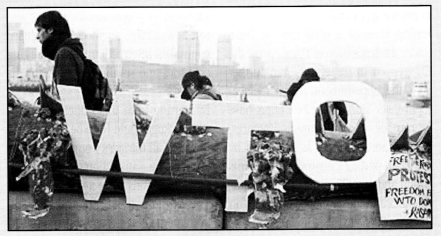
    The failure to launch the so-called Millennium Round at Seattle marked a crucial moment in the history of the World Trade Organisation (WTo) and also for multilateral diplomacy. From then on, everyone clearly realised that, given the strong opposition to an indiscriminate extension of trade liberalisation, the days of the big powers (USA and Eu) imposing their agenda on the others had come to an end. This opposition was basically due to an awareness that the benefits of globalisation are not equally shared. Since there were no corrective mechanisms and ad hoc measures for developing countries, they stand to gain very little from globalisation,
    and this is to the detriment of their development processes and planetary balances. At Seattle it emerged that the scepticism about unlimited globalisation was also shared by significant sections of the populations in the north of the world.

    The Doha Development Agenda, drafted in late 2001, approached the new round of trade talks in a very different way, stressing aspects encouraging greater participation in trade and, therefore, greater growth for countries in the south.
    The Ministerial Meeting in Cancún (10-14 September) had been convened to assess progress at the mid-term of the talks begun in Doha and due to end in December 2004.

    But what progress has been made in the talks? Let’s consider the main aspects that will be the focus of debates in Mexico.
    Firstly, a very important agreement on marketing life-saving drugs has just been reached and will be ratified in Cancún. This agreement is required for the struggle against very widespread diseases in developing countries (AIDS, tuberculosis, malaria).
    Reaching agreement was very difficult, but the topic had become so central to the agenda that it would have been impossible to have avoided a total failure at Cancún without a positive outcome on this issue ahead of the conference. Thanks to this agreement, patent rights on essential drugs for treating these diseases, mostly in the hands of American and European pharmaceutical compаnies, have been suspended in countries with a high incidence of the said diseases. Local companies will be able to manufacture at cost price for their national markets and even export low-cost drugs to countries with no production capability. The packaging of these drugs must be very different from the original and the products can’t be marketed in developed countries, where royalties will continue to apply.
    In short, this is a good agreement giving access to essential medicines for millions of people for whom the cost was prohibitive. It is also a good example of how a multilateral forum such as the WTo, if used properly, can produce positive results for humanity.


    This is the heart of the Doha Agenda!
    We also note that proposal, sponsored by Brazil and South African, was accepted by the European Union from the outset and opposed by the American pharmaceutical industry to the bitter end, until they finally had to give in.
    But let’s briefly look at the other issues on the agenda:

    • 1) Agriculture: a key theme. Farm trade is still much less liberalised than industrial and services trade. The Eu has proposed opening up markets compatible with the recent Common Agricultural Policy (CAP).
      These are substantial proposals but considered not to be enough by the exporting countries (Cairns Group) and the United States (who are also protectionist but with a different model from Europe). What was discussed was the whole system of subsidies for farmers, especially export subsidies, which should disappear at the end of the talks. But the European Union is still reluctant to make precise commitments. The debate in Cancún will be very lively, especially for this reason.
    • 2) Industrial goods: talks will focus on further reductions in industrial tariffs and the proposal to completely liberalise trade in seven key sectors for developing countries (textiles, electronics, jewellery, leather and derivatives, etc.).
    • 3) Services: they will not be a key issue in Cancún. But there will be a report on the various proposals by member states. The Eu has already suggested opening up in some sectors (especially high technology) to professionals from the rest of the world, but not, as some had expected, the sectors of health and education.
    • 4) Geographical indications: backed by others, the Eu has requested the extension of ‘protected designation of origin’ to other products in addition to wine and spirits, the only sector where it currently exists. Opposing this move are farm exporters – including the United States – who produce food with misappropriated names. There is little hope of agreement on this issue at Cancún.
    • 5) New themes: the so-called Singapore issues. They consist of four sectors currently not covered by WTO regulations but strongly related to trade (investments, competition policy, trade facilitation, and transparency in government procurement). The developed countries would like to table talks aimed at defining a framework of minimal multilateral rules. Some developing countries fear the extension of the WTO powers and a further reduction to their room for manoeuvre. The outcome to the Cancún discussions is difficult to predict and will probably be conditioned by progress in other parts of the agenda (especially agriculture).
    • 6) Special and differentiated treatment: this means defining a set of specific rules in favour of developing countries to help them integrate further into international trade circles and play a more active part in the WTO and its arbitration system.

    There will also be other topics on the agenda, but these are the main ones.
    Cancún will not see the end of the trade round, but it is of crucial importance that progress is made in the direction established at Doha. The trade talks have the advantage of being able to offer favourable (win-win) solutions for everyone, but for this to happen negotiating must be realistic and at times generous. So far the European Union has demonstrated it is both, but there is still much to do, especially on the hot theme of farm subsidies.
    After Cancún we will comment the results of the conference: it is still not clear if the talks will end in 2004. But what is certain is that the WTO is an extremely important forum deserving closer attention. Because anyone who does take a closer look soon realises that the reality is much richer and more complex than the extremists on either side claim.

  • The Brasilia Summit: democracy and economic integration – keys to the development of South America in the twenty-first century

    The Brasilia South American Summit (30 August – 1 September 2000) brought together for the first time in history the presidents from the twelve countries in the subcontinent (in addition to Brazil and the nine Spanish-speaking South American republics, Suriname and Guyana were also present). It comes as a surprise to learn that in a world in which summits featuring heads of state and governments no longer even make the news and are often devoid of any real new interest, the South American countries had never previously organised a meeting of this kind.

    There are already various high-level multilateral forums in the region. The summit of Latin American countries (with the participation of Spain and Portugal) has convened every two years since 1991, while the Washington-based Organisation of American States (OAS, or OEA in Spanish) goes back much further, and since the 1980s the Rio Group has been a forum for political discussion dedicated to the defence of democratic values and human rights involving twelve countries in the Iberian American subcontinent plus Mexico and Panama. But the geographically South American countries had never created their own specific forum. In a cursory analysis of what was discussed in Brasilia, we see why this kind of initiative has only been implemented now and how the South American summit fits into a crucial time of transformation for Latin American countries at the turn of the twentieth-first century.

    The Brasilia summit focused on three key topics: the defence of democracy and human rights in the region, the promotion of economic development and integration, and the lack of region-wide infrastructures to encourage such economic development.

    At the summit the consolidation of democracy and the promotion of human rights were seen as the essential conditions for boosting the development of countries in the region and for their economic integration processes.

    The democracy clause, already introduced in MERCOSUR, was extended to the whole of South America. The respect for democracy is considered to be a sine qua non for admission to further summits and for involvement in regional political negotiations. In short, any country failing to respect the rules of democracy will be ostracised from the SouthAmerican community.

    The existence of this democracy clause in MERCOSUR was crucial in curbing any authoritarian drifts in the various Paraguayan crises. The most recent were in February 1999, when President Cubas Grau was deposed and replaced by the president of congress, González Macchi, now president of the country, and the subsequent attempted military coup in May 2000, apparently orchestrated by elements linked with the exiled general Lino Oviedo.

    Although the Paraguay situation can still not be considered stable, the tough line adopted by the three members of MERCOSUR (Brazil, Argentina and Uruguay), stressing at every opportunity that an authoritarian outcome would have automatically meant the expulsion of Paraguay from MERCOSUR exercised a positive influence on developments in the country. Now all Latin American countries are aware that authoritarianism will lead to isolation, and isolation, in turn, leads to economic depression. In this sense Latin American democracy – often criticised as being in crisis on the grounds of past performance than any up-to-date rigorous assessment of the current situation – is practically forced to exist, almost out of a lack of alternatives. The old-style dictatorships are simply no longer feasible in the context of economic openness and globalisation.

    The crisis in the progress of Latin American democracy is – if anything – of a different nature. Although fundamental democratic forms can no longer be called into question, the current great challenge, after almost two decades of democracy in the region, is to eхtend substantial democracy and equal oрportunities to the vast majority of the population. This is still a distant prospect, if we bear in mind the dramatic inequalities in education and the economic field throughout the region.

    The Brasilia summit thus reiterated the key importance of democracy in the family of South American nations. At the time, however, another prevalent issue in the minds of most was of course the Peruvian situation.

    The newly re-elected President Fujimori kept a low profile at Brasilia, happy to be in the shade of Colombian President Andrés Pastrana, who was faced with the difficult task of defending the Colombia Plan launched together with Clinton on the previous day at Cartagena. But more of this below.

    Described in a recent article in this magazine (Acque & Terre 3.2000), the Peruvian situation has become even more complicated since the Brasilia summit. The fiercely challenged re-election of President Fujimori, criticised byalmost the whole ofthe international community, was not the object of sanctions, despite Us efforts to convince the Organisation of American States to adopt them.

    Various Latin American countries, and especially Brazil, although deploring the evolution of the situation in Peru and sparing no criticism of Fujimori, did not welcome Us activism, considering it to be excessive and verging on interference. The OAS thus simply sent some observers to Lima to help the Peruvian government adopt measures to improve the workings of democracy
    in the country.

    This mission was already underway and the main weaknesses in the system had been identified as the excessive power of the secret services and the army, as well as a complete
    lack of pluralist information, when a local television programme denounced the activity of Vladimir Montesinos, the president’s eminence grise, who had corrupted an opposition member of parliament by cajoling him into supporting Fujimori. This led to completely unforeseen developments.

    Having used all the legal and illegal means to obtain a second term of office only a few
    months earlier, and totally ignoring all international pressure, Fujimori, confronted with this clear demonstration of the vast network of complicity holding up his regime, announced his retirement, albeit in a year’s time, but still much earlier than the end of his term of office in 2005.

    Faced with protests from the opposition, led by Alejandro Toledo, who demanded new elections immediately, fearing that this was simply another ploy by the unpredictable
    Fujimori, the president shilly-shallied for a while withoutclearly stating his intentions.

    In the meantime Vladimir Montesinos who had left the country and the army – previously suspected ofplotting a coup – declared hisbelief in democratic institutions. Montesinos spenta month in Panama where he unsuccessfully applied for political asylum, and then at the end of October unexpectedly turned up again in Peru, where Fujimori had been personally directing operations to trace him. In the meantime, the Minister of Justice had presented a plan of national reconciliation involving a wide-ranging amnesty for any abuse of power by the army as part of the struggle against terrorism or drug traffic: the opposition came out against this move in very vehement terms.

    At this point, the Vice-president and former foreign minister, Francisco Tudela, the leading light of moderate Fujimorism and probable Oficialista candidate for the presidential elections next year, threwin the towel and resigned. Now total chaos reigned in Lima.

    In this situation, the enlarged MERCOSUR (including Chile and Bolivia) issued an official statement warning Peru of the negative consequences of any authoritarian developments: further proof of the new ‘Brasilia doctrine’.

    At the time of writing, the prime minister Salas has announced the forthcoming resignation of the president, currently in Japan. This could mean bringing forward the next elections, planned forApril 2001, due to mark a kind ofnew beginning for Peruvian democracy, which has been sorely strained by the abuses of power under Fujimori.


    What conclusions may we draw about the Peruvian question? The situation in the country was undoubtedly the most complex in the firmament of Latin American democracies and also seemed to be the most hopeless. But even in this case the explosive cocktail of ‘economic crisis and political authoritarianism’ was eventually defused. We are no longer in the 1970s, and democracy is taking hold in South America despite a host of difficulties. The whole political system in Peru must be reconstructed, since the traditional parties had crumbled because of their lack ofcredibility and Fujimori’s initial successes during his first term of office. But the response bycivil society in the last election of Fujimori suggests there is hope for the future, despite the at times alarming institutional confusion in Lima today.


    Although the consolidation of the democratic dimension in the region was the main focus at the Brasilia summit, the two other big issues tackled were stepping up economic integration processes in the region and the launch of an initiative aimed at closing the structural gap penalising the whole of South America.

    The 1980s in South America saw monumental economic transformations compared to the past. The massive reduction in state intervention in the economy, the opening up to foreign investments, the removal of tariff barriers, and the spectacular progress in economic integration processes – especially MERCOSUR, Wwhose success has overcome decades of diffidence between the two large countries in the region, Brazil and Argentina – are all signs of the consolidation of new political and economic values, which seem to be unrivalled (although there is now also a certain focus on the concept of economic nationalism, a major force a few decades back in Latin America).

    In this picture the countries on the sub-continent are beginning to develop an almost completely new vision of economic integration on a continental scale. This is not a question of removing frontiers Shengen-style, but transforming them from impermeable barriers- as they have been for two centuries – into factors of economic development.

    The two economic integration processes in Southern America – MERCOSUR and the Andean Community of Nations (the former Andean Pact) – are not destined to disappear but have become the starting points for a new process of aggregation on a continental scale.

    The South American Free Trade Area (SAFTA, or ALCSA in Spanish) has been established as a short-term target to be achieved as early as early as 2002. It will be the outcome of negotiation process between MERCOSUR and the Andean Community, also involving Chile through its forthcoming membership of MERCOSUR (announced for the end ofthe year, but probably some time in 2001) and Guyana and Suriname through specific agreements.

    The schedule is arguably over-ambitious, if we bear in mind the difficulties in the past or even recent negotiations between the Andean countries and those from the Southern Cone. On theother hand, time is short in view of the probable acceleration of the Free Trade Area of the Americas (FTAA), the hemispheric integration process in which the Latin American countries wish to participate as a joint front.

    After the American elections, the FTAA will probably enter the active negotiation phase in 2001 and be concluded before the end of office of the new president in 2004, and therefore even earlier than 2005, the date previously generally targeted.

    The Latin American countries already involved in negotiations on asub-regional rather than national basis (MERCOSUR, CAN, Central American Common Market, CARICOM, except for Chile and Mexico) have every interest in making their markets operational before the end of the FTAA talks, in order to increase their specific weight vis-à-vis the United States and Canada.

    This is a crucial time for the destiny of Latin America in the twenty-first century. As some have observed, the strategic choices in the next five years will be decisive in deciding the future developments in Latin American countries.

    From this point of view, it is vital that Latin America successfully modernises to keep
    abreastof globalization, demonstrating that it will be capable of being the captain of its own fate. Hence the importance of domestic challenges (such as adopting successful models for economic and social development) and external challenges (such as the emergence of an original Latin American model in the context of a frontier-free world).

    Latin American countries, and especially South American countries, must therefore seek to create independent mechanisms for dialogue and development, without a return to the closed-door policies ofthe past, but rather with a greater awareness of their own international role and the strength of their bargaining power.

    The first five years of the newcentury will not only be characterised by a deepening of regional, sub-continental and hemispheric integration, but also by negotiations with the European Union, which had already began in the case of MERCOSUR and had been concluded in the case of Mexico, and by multilateral talks within the World Trade Organisation, they, too, of key importance for the future of Latin America as well as for world trade.

    The set of interlocking scenarios creates a complex picture whose developments are difficult to interpret and it is very hard to forecast what international trade will be like in 2005, when the day of reckoning comes. But the Latin American countries certainly seem aware of the importance of what is currently at stake.

    In this sense the Brasilia summit was no ordinary meeting, but a demonstration of a new fast developing awareness in countries in the region.

    The lack of infrastructures (roads, ports, railways, and logistics) on a South American scale is a legacy of the past and arguably represents the more serious drawback to regional economic development.

    On one hand, it is partly the consequence of the geographical features of the sub-continent: its dimension and the presence of formidable natural barriers such as the Amazon forest and the Andes.

    But the current situation is above all the outcome of the approach adopted by South American countries in their plans for infrastructure developments. Even in the 1970s, when these great public works were being thought of (see, for example, the Itaipù damn or the Trans-Amazon roadway) they were always on a purely national basis. That was the dominant vision at the time, centred on closed economies and development based on the national economy.

    But at the end of the century priorities changed. Latin America had no regional infrastructure and was prey to almost insoluble logistics problems weighing heavily on the competitiveness of their products. We only need point to the lack of transport infrastructure from north to south or east to west on the continent. Each country is self-contained and products from the north and north-east of Brazil must be shipped down to the ports of Santos (São Paulo) and Rio, and transported in the opposite direction towards the market in the north.

    Occupying half of South America and with borders on almost all the other countries in the region, Brazil is much more keenly aware of the problem. In 1998, the launch of a large internal infrastructure plan (Avança Brasil) attempted to make up for the lack of logical infrastructure policies.

    Beginning from the conceptual base of this plan, Brazil has now proposed involving its neighbours in setting up a complex infrastructure plan. A preliminary study was entrusted to Inter-American Development Bank (IDB). The Andean countries can rely on a prestigious financial institution called the CAF (the Andean Development Corporation). MERCOSUR has no such structure but is able to involve the private sector in financing these structures. Naturally, the telecomcompanies play a leading role in the drive to modernise. This is an ambitious project, perhaps destined to fall shortof its current targets, because of the difficult financial conditions for Latin American countries in international financial markets.

    But in this case, too, the Brasilia summit marked a significant break with the past in presenting a new look Latin America to the world. While democracy, economic integration and infrastructures were the main official themes of the summit, the situation in Colombia also inevitably attracted the attention of South American presidents. President Pastrana came to Brasilia after having welcomed President Clinton to Cartagena, where they jointly announced the launch of the Colombia Plan, presented as an aid programme for Colombia to help in the struggle against drug traffic.

    What is the significance of the Colombia Plan? On one hand, its launch denotes the failure of the policy of dialogue with the guerrillas (FARC) which was one of the main issues in the electoral campaign of the Colombian conservative leader.

    The talks, which had even led to a part of Colombian territory being handed over to be run by the FARC (the region of San Vicente del Caguán), were bogged down irremediably. But why did dialogue, which had successfully solved much more complexcrisis (such as those due to the Central American civil wars) fail in the Colombian case?

    There is only one answer – drugs. The huge sums of money involved in drug traffic has upset all the balances in the country. Although years of struggle against the drug traffic cartels had led Columbia to the brink of collapse, the real subversive problem recently emerged are the ‘narco-guerillas‘. The guerrilla groups – in addition to the FARC the other main group is the ELN- have abandoned all ideological claims and concentrate on making money and self-financing from the drug traffic, thanks to their control over most of the national territory. The FARC alone is said to make an estimated 500 million dollars per year from drug traffic.

    Far from demonstrating the guerrilla organisation’s effective capacity to govern, handing over the region of San Vicente del Caguán merely sanctioned the existence of an untouchable sanctuary for cultivating coca. The armed clashes between guerrillas and army continue, and dialogue must be declared a failure.

    As regards the EIN, which was also given a protected zone in the south of the state of Bolivar, the creation of a group of ‘friends of dialogue’ (France, Spain, Switzerland, Norway and Cuba) whose aim is to aid negotiations, suggests there might be more positive developments, but the failure of the negotiations with the FARC leaves little room for hope.

    In this situation, the United States government’s offer to the Colombian government of an aid package – mainly military in nature – of 1.3 billion dollars (out of a total of 4.5 billion for the plan, the majority share being paid by Colombia), marks a sharp change in tactics with the guerrillas. Dialogue having failed, at least as far as the FARC is concerned, more violent methods for re-conquering the territory and wiping out the crops, even using chemical means, have been adopted.

    The initiative was given a very lukewarm reception by other countries in the region and by the European Union, always more inclined to a more co-operative approach to the problem.

    In fact the European Commission has announced the offer of an aid package for Colombia of 105 million euro from 2000 to 2006 for the following sectors: economic and social development and the struggle against poverty, alternative development, reform of the judicial system, anddefence of human rights, to which must be added around 10.5 million per year for emergency and humanitarian aid.

    The other South American countries look very coolly on the Colombia Plan. There is a real prospect of an escalation in this kind of conflict, and the presence of Us ‘military advisers’ in Colombia is reminiscent of disturbing scenarios, which no one wishes to see repeated in South America in the future.

    Moreover, the military-type approach to the Colombian problem is nothing new. The United States had already proposed this method during the Republican administrations of Reagan and Bush, and it has now been put forward again with renewed vigour. The recent withdrawal of American troops from Panama must be seen as connected to this development.

    South American countries, especially those bordering on Colombia, have expressed – both at Brasilia and the subsequent Conference of Ministers of Defence of the Americas (Manaus, 16-21 October) – their support for the struggle against drug traffic, but also their alarm at the possible consequences on regional balances due to any conflict in Colombia, which might give rise to flows of refugees, incursions by troops and environmental repercussions (e.g. the use of herbicides in the Amazon region).

    The Brazilian Amazon border with Colombia is very difficult to control, and so Brazil is one of the most active in expressing its concern.

    In conclusion, the Brasilia summit marked a particularly significant time for South America at the end of the twentieth century. A Brazilian initiative, madeat the behest of President Henrique Cardoso, the summit highlighted the major strategic changes now taking place in the region. Moreover, on the strength of its economic, demographic and territorial weight, and the success of its internal reforms and brilliant recovery from the financial crisis last year, Brazil wished to demonstrate that it is ready to take on the de facto South American leadership, which in the past it had been reluctant to assume.

    Indeed, the fact that South American countries are showing an increasing awareness of their own international importance is probably a great step forward for the whole international community.

  • Latin America: focus on three countries

    Argentina: from Carlos Menem to Fernando de la Rua

    Fernando de la Rua’s victory in the Argentine presidential elections of October 24th marks the end of ten vears of ‘Menemism’. But what are the reasons for this major political change in Argentina and what overall assessment can be made of Carlos Menem’s two terms in office?

    First a look at the facts and figures: Fernando de la Rua of the Unión Civica Radical (UCr), one of the two historic parties in Argentina, and the presidential candidate for the so-called Alianza made up of the UCR and FREPASO (Frente Pais Solidario) obtained 48.5 per cent of votes, and was so elected at the first round (the Argentine constitution requires a minimal percentage of 45 per cent of the votes and an advantage of at least 10 per cent over the second-placed candidate). The government candidate, Eduardo Duhalde, of the Partido Justicialista (Pj) obtained 38.09 per cent, while the former Minister of Ecоnomics in the Menem administration and father of the peso-dollar convertibility plan, Domingo Cavallo, who later split with Menem, represented the Presidencia de Acción por la República (PAR) received 10 per cent.

    Thus the prospect of a second round was not so far off, at least from the numerical point of view. But all the observers agreed in describing the result as a sweeping victory for de la Rua, as had already been widely predicted by the opinion polls.

    In the legislative elections held at the same time as the presidential vote, the Alliance fared even betterthan expected; its total numberof seats has now risen to 125,compared to 101 for the Pj and 12 for PAR (129 seats are required for the majority). De la Rua cannot, therefore, rely on an absolute majority in Congress and willoften have to negotiate with the opposition to win approval for his bills.

    The situation has been aggravated by the fact that the Senate, which will not be reelected until 2001, has a Partido justicialista majority and that fourteen of the twenty-three Argentine provinces (including Buenos Aires, Cordoba and Santa Fe) are in the opposition’s hands.

    Thus, although de la Rua had an outright victory, this does not necessarily mean a radical political change, given that the opposition still has a significant share of power, and in the coming four years rather than to the defeated Duhalde will still look to Menem, who is very keen to come back on the scene in 2003, when the constitution will allow him to do so.

    In an article published in this review commenting the election of Carlos Menem in 1995 (Acque & Terre no. 3, 1995), we concluded by saying that over and above his undoubted merits and a number of contradictions connected with the Peron inheritance, Menem’s second term of office should strengthen ‘Menemism’ as a political movement with its own specific features.

    At the end of his second term of office, we must say that Menemism, has certainly emerged as such, becoming increasingly free of the Peron-like Justicialist approach, even though he has shown several shortcomings in terms of continuity.

    Menem has consolidated his position as the most important Justicialist leader since Peron. But the policy lines characterising his action as President are far from the Peronist legacy. In fact what has remained is only a merefacade – although we must concede that the historical context is completely different.

    Menem’s main policy guidelines from 1989 to 1999

    The main idea in Menem’s policy was to overturn the traditional approach to Argentine economics. Ten years of major structural reforms have opened up the economic system, traditionally centred on the domestic market.

    The key elements in the strategy were the deregulation of the domestic market, liberalisation of foreign trade and the privatisation of almost all state-owned companies.

    Although these reformswere also carried out to a lesser or greater degree throughout Latin America in the 1990s, the Argentine case is undoubtedly the most radical in terms of intensity and speed of reform.

    The importance of the state in the Argentine economy has been a widely reduced by the structural changes. Particularly significant reforms were made in terms of privatising pension funds. In this sense Menem is diametrically opposed to Peron, even though he conserved the facade of Peronism by encouraging the idea of concentrating social action on the most needy sections of the population (the political expression of this aspect Menemism was his support for the candidacy of Palito Ortega in the PJ primaries against Duhalde).

    Linked to the deregulation and liberalisation process was the opening up of the Argentine economy to foreign capital and especially the strategic choice at regional level to step up integration with Brazil in the framework of MERCOSUR. Although the initial steps on the road to integration were taken by President Alfonsin and his Brazilian colleague Sarney, and indeed even Peron had proposed the so-called ABC (Argentina, Brazil and Chile), it was Menem who gave the integration process real momentum.

    Other foreign policy decisions also highlighted the change in direction in Argentine diplomacy: its withdrawal from the movement of non-aligned countries (which still exists, although no one knows the object of the non-alignment!), the strategic drawing nearer to the United States in terms of defence (such as Menem’s proposal for an associate membership of the country with NATO), and the increasingly frequent use of Argentine contingents in multinational peace forces under the auspices of the UN. Another feature of Menem’s policy was a strong presidential presence in Argentine political life, in which executive power clearly dominated over legislative power. It will be difficult for de la Rua to follow the same path.

    While Menem’s re-election in 1995 was mainly due to the success of the economic stability plan (the currency-board system still anchors the value of the real to the dollar, thus freezing inflation), some of the less positive features of Menem’s model of economic modernisation emerged during his second term of office. Although greatly aрpreciated by public opinion, monetary stability has excessively limited the flexibility of the economy (see the loss of competitiveness of Argentine products on foreign markets and the excessive increase in the cost of living for lower- to middle-class families on the domestic front). Aggravated by the continuing Brazilian financial crisis, this set of factors has led to a significant increase in unemployment (now 14.5 per cent), accompanied by social problems such as a rise in crime and poverty.

    Menem’s second term of office was characterised by growing signs of corruption in the president’s entourage during the privatisation processes. In general, Menem’s image did not benefit from the atmosphere of glamour, easy earnings and luxury that were such a feature of circles close to the president over the last few years.

    In this sense the electorate showed a greater liking for Fernando de la Rua, whose personality is diametrically opposed to that of Mеnem (one of his electoral broadcasts began with the phrase ‘they say I am boring…”), who conveyed an image of austerity to the publicopinion, arguably a necessary antidote to Menem’s flamboyance.

    A long-standing militant in the UCr, de la Rua built up a solid reputation as the Mayor of Buenos Aires, and last year he won the Alianza primaries ahead of opposition from a very charismatic rival, the FREPASO candidate Graciela Fernandez Meijide, the great victor of the legislative elections in October 1997. Founded in 1997 by Ucr radicals and some defectors from FREPASO, the Alliance supported Octavio Bordon in the 1995 elections, and at the time seemed the only feasible way to defeatthe Partido Justicialista.

    The Alliance would have seen its position weakened considerably if there had been any lengthy uncertainty over the identity of the candidate for the presidential elections (Fernandez Meijide emerged as the most likely candidate at the time when the Alliance was founded). But the primaries were organised very early on and, once de la Rua had been chosen as candidate, the two wings of the movement managed to get on together in promoting the electoral campaign with no bungling, thus paradoxically showing a more united front than was аctually the case compared to the government, torn in the early months of the election campaign by the rivalry between Menem and Duhalde.

    A Justicialist governor from the province of Buenos Aires, Duhalde suffered greatly from the lukewarm support given to his candidacy by Menem. In fact Menem had hoped right until the end that he would obtain a constitutional change, as he managed to do in 1995, allowing him to stand for a third consecutive term of office.

    But this proposal deeply divided Argentine public opinion and was not even unanimously accepted in his own party. Although in the end the Supreme Court rejected the possibility of interpreting the constitution to meet Menem’s claims, the tug-of-war over the question lasted right up to a few months before the elections, thus further weakening the position of Duhalde, who even after his selection was given little support by the president.

    Duhalde was further penalised by the worsening economic crisis (negative growth rate of 3 per cent forecast for 1999, and the unemployment rate at 14.5 per cent), the emergence of various scandals and a wave of crime in the province of Buenos Aires.

    The worsening economic recession, mainly due to the loss of competitiveness of Argentine exports, led to the country accruing a significant trade surplus with Brazil in the 1990s, and the wavering prospects of his candidacy led Duhalde to embrace a certain populism (such as the injudicious announcement of a possible moratorium on foreign debt), which although in line with the ideological legacy of Peron had a counter-productive effect on most of the electorate.

    Ultimately, de la Rua appeared as a representative of both continuity and change compared to the years of Menemism. Although formally a government candidate, Duhalde then tried to play the card of a break with Menem, both on political and personal grounds.

    Moreover, Menem had reiterated his intentions for thefuture: on October 25th the billboards of Buenos Aires were plastered with posters announcing his candidacy for the 2003 elections. In this sense, Duhalde’s defeat has favoured Menem’s plans. He will hope for a relative failure of de la Rua in order to defeat him at the next elections (although if the failure was too disastrous, it might call into question the decisions made in ten years of Menemism).

    The key challenges facing de la Rua

    The first thing de la Rua will have to do is meeting the expectations created in terms of consolidating the economic model he has inherited. He is in agreement with the basic choices made by Menem, but at the same time will have to go to great lengths to overcome the limits in this model.Argentine public opinion expects effective measures in the struggle against unemployment and growing social problems. But the adoption of such policies will be limited by the need to curb fiscal debt, which has grown considerably over the last decade.

    The solution to this dilemma can only come from boosting the economy, after its negative growth in 1999. The first measures announced by de la Rua concern legislative initiatives in favour of small- to medium-sized firms. The recent Brazilian crisis has highlighted the low competitiveness of many Argentine industrial sectors, which have sat back on the basis of the favourable exchange rate with Brazil without exploiting the favourable economic situation to introduce structural reforms aimed at increasing competitiveness. Once Argentine products were no longer economic on the Brazilian market because of the overvaluation of the real, the problems came out into the open, and Argentina saw its trade balance worsen considerably.

    Thus an active policy of industrial modernisation to re-launch Argentinean competitiveness has become a must, and will continue to be a priority for the new government. Moreover, the currency-board system also penalised the Argentine economy. In this field, de la Rua will have to tackle a serious dilemma, although for the time being he has stated his willingness to continue with the fixed parity with the dollar. But a scenario with the medium-term devaluation of the peso cannot be ruled out.

    Not surprisingly Argentina is in favour of extending the dollar to the whole of Latin America area, which would automatically allow it to recover competitiveness with no internal traumas.

    Another priority for the new government will be the struggle against corruption and a more precise definition of the role of controlling authorities in a highly privatised economic system.

    The re-launching of MERCOSUR is also of a fundamental importance and de la Rua is particularly keen on this idea. Argentina cannot afford any slacking in the integration process, given that the regional market is its main foreign outlet for exports. It is no accident that de la Rua visited Cardoso only two days after the elections and made positive overtures to the other MERCOSUR members. He called for a deepening of the integration process, especially as regards macroeconomic coordination, as the solution to the problems being experienced by the regional bloc.

    Moreover, the negative turn in the multilateral trade talks in the World Trade Organisation means there can be no illusions about anysignificant short-term increase in exports of farm products, one of the key issues both for Argentina and Brazil as the leading members of the Cairns Group.

    In any case a certain degree of economic recovery is expected in 2000, and this factor should help the new government to manage a far from easy situation at political level, given its lack of an absolute majority in Congress, the opposition majority in the Senate, and the high number of provinces currently being administered by the Justicialist governors.

    The unity of the Alliance will thus be very important in this sense in its first government experience. The cabinet announced by de la Rua on November 24th is made up of eight radicals and two Frepaso members (including Fernandez Meijide as Minister of Social Affairs). Most of the ministers have an economic background, which should contribute to conveying an image of solidity and continuity.

    In announcing his government de la Rua stated that the three main priorities of the new government were the struggle against three ‘deficits’: fiscal, social and moral.

    In conclusion, we may say that the political situation following the elections is characterised by a number of novelties in terms of the Argentine political tradition. For the first time the government must rely on the partial support of the opposition and, moreover, the traditional two-partysystem has now been eroded by the emergence of a third force, albeit with strong links with radicalism.

    In the recent Uruguay elections, the narrow victory of the Jorge Batlle, the Colorado Party
    candidate over the emerging Tabare Vasquez from the Frente Amplio, the ‘broad front’ of
    left-wing forces, reflects a basically similar phenomenon. Despite ideological differences, given that the Uruguayan Frente has nothing in common with the Argentine Alianza, significantly for the first time there was a break with the traditional two-party system –Blancos against Colorados – which has characterised Uruguayan politics since independence. The Frente has a relative majority both in the Chamber of Deputies (40 out of 95 seats) and in the Senate (12 out of 29),and this factor will introduce considerable innovations to political life in the country.

    These two situations seem to confirm a now irreversible consolidation of democracy in the countries in the Southern Cone, linked to the inevitable process of social modernisation now underway in all countries in the region.

    Chile: the election of Ricardo Lagos and the Pinochet case

    The victory of the socialist Ricardo Lagos in the second round of the Chilean presidential elections (16 January 2000) provides the starting point for an analysis of the current political situation in the country.

    Latin American affairs have often not attracted much attention in Italy, but Chile and its political situation have always aroused more interest compared to other more influential and larger countries in the region. Brazilian and Argentinian politics are certainly less well-known, despite the greater specific weightof these countries.

    In my opinion the reasons for this Italian interest in Chile are due to the following factors. Despite the geographical distance, the political categories in Chile have always been familiar to Italian observers. Before the dictatorship, the three main political parties were the Christian Democrats, the Socialist Party, and the Communist Party. The situation was thus different from all other Latin American countries, and the evolution of the political system and its alliances, especially in the 1960’s and 1970’s, made Chile into a kind of laboratory – in the eyes of Italian pоlitical parties – serving as a kind of reference pointfor the specific situation in Italy.

    Indeed, it is unthinkable that the Italian left, whether socialist or communist, would not have looked sympathetically on the election of president Salvador Allende in 1970. For the first time since Leon Blum in France, and thus for the first time after the advent of ‘real communism’, a social-communist coalition won power democratically (although to be truly accurate in 1938 Aguirre Cerda had already been elected at the head of a radical-socialist-communist coalition): despite being in remote Latin American, the Chilean example was interpreted as a good omen for that part of the Italian left whose main aim was to send the Christian Democrats packing.

    But the Italian Christian Democrats also had a privileged relation with Chile. In 1964 Eduardo Frei was the first Latin American Christian Democrat leader to become president. In the South American sub-continent only Venezuela and Chile have traditional Christian Democratic parties of some importance, so the sympathy between the Italian Christian Democrats (Dc) – otherwise little inclined to look to Latin America – and their counterparts in Chile was more than justified.

    The experience of the Unidad Popular (Popular Unity), the coalition which governed Chile from 1970 to 1973 was followed enthusiastically by the Italian left. Moreover, it saw the Chilean example as a concrete challenge to Us imperialism. There was an obvious parallel with Italy’s situation as a frontier country between the two major blocs, in which the so-called ‘K factor’ had always prevented a political alliance between socialists and communists in the government.

    Similarly, in the years of Eurocommunism, Chile was inevitably an important referencе point.

    The traumatic military coup of 11 September 1973 was thus a bad setback for everyone. The brutality and repression that followed contributed to keeping Chile in the forefront of concerns for public opinion.

    Allende became a myth for the left worldwide. Although some malevolent interpretations by the extreme left at the time, accиsing Chilean Christian Democrats of connivance with the military, had more to do with using the Chile crisis for domestic Italian purposes rather than any real knowledge of the situation.

    The evolution of the Pinochet regime clearly proved that even though the 1973 coup had been against Popular Unity, the military regirme clearly had no intention of handing over to civilians, not even that the conservatives.

    Like the parties in Popular Unity, the Christian Democrats thus remained on the sidelines of political life until 1989, when together they formed the ‘no’ front for the referendum called by Pinochet in an attempt to perpetuate his rule.

    The ‘no’ front was later to become the Concertación coalition, which has governed Chile since 1990, first under the leadership of the Christian Democrats Patricio Aylwin and Eduardo Frei (junior) and now under the presidency of Ricardo Lagos, the first socialist to occupy the Moneda since Allende’s tragic end.

    While both Aylwin and Frei had straight first-round victories and Lagos was a clear favourite a year ago, over the last year in the opinion polls his advantage was gradually whittled away in favour of the right-wing candidate Joaquín Lavín.

    This slump was partly influenced by the Pinochet case, which put the Concertación front in a predicament: the Chilean government made up of the democratic opposition to the Pinochet dictatorship was forced to act in favour of a return home for the former dictator, while the right wing was making up ground anyway because of the economic crisis – all of this in an electoral year.

    After a number of blunders, such as the clumsy attempt by Santiago to give Pinochet unlikely a posteriori diplomatic immunity in order to demand his release, the Chilean government adopted a position based on the distinction between the figure of General Pinochet as a person and the defence of the national sovereignty of the country and the attendant prerogatives.

    At the first round of the presidential elections (12 December 1999) Ricardo Lagos obtained a very slight victory over Joaquín Lavín: 47.95 per cent of votes as opposed to 47.51 per cent for his rival, a margin of only 31,000 votes. This led to a hectic month of campaigning ahead of the second round on January 16th. Both candidates concentrated their efforts in those areas of the country where they had fared worst.

    In the end, Lagos’s majority over Lavín at the second round was larger than expected: 51.3 per cent as opposed to 48.7 per cent,а majority of 188,000 votes. Lagos enjoyed the crucial massive support of Communist voters, three per cent of the electorate, who had supported Galdys Marín in the first round. Lavín, on the other hand, had already won almost all the votes he was going to get in the first round, and could only count on an extra one per cent from the supporters of Arturo Frei, the Pinochet candidate from the Unión de Centro Centro Progresista (UccР –Progressive Centre-Centre Union).

    A sixty-one-year-old advocate and economist, Ricardo Lagos had been appointed ambassador to Moscow by Allende, but his appointment was revoked following the military coup. Having been exiled first in Argentina and then in the United States, he only returned to Chile in 1978, pledging to work for closer relations between the Socialists and the Christian Democrats.

    On 7 September 1986, following an attempt on Pinochet’s life, Lagos was arrested by the investigative police. This actually turned out to be a stroke of luck, since four people on the same list of suspects, but arrested by the CNI (the political police of the regifne) were killed that same night.

    In the dictatorship years, Lagos emerged as one of the most respected opposition leaders. But his rise to fame was sanctioned in April 1988, when in a peak television programme he openly accused Pinochet of wishing to stay in power through the reforms proposed by the institutional referendum, which were in fact then duly rejected in October 1989.

    In 1987 he had founded the Partido por la Democracia (PPD – Party for Democracy), a kind of a bridge between the Ps, ofwhich Lagos has always been a card-carrying member, and the Dc.

    After the victory of the ‘no’ front in the October 1989 referendum and the election of Patricio Aylwin in the subsequent presidential elections, Lagos became Minister of Education in the first Concertación government. He was then Minister of public works with Frei until 19 August 1998, when he resigned to embark on his own electoral campaign.

    Lagos must definitely be considered as an exponent of the Third Way. His brand of socialism is very modern, and remote therefore – for obvious reasons connected to the changing times – from Allende’s Popular Unity. But we must bear in mind that Chile has been deeply scarred by its recent history and characterised by extreme radicalideological positions. This partly explains the defection of around twenty per cent of the Christian Democrat electorate to Lavín. For many people in Chile the word socialist is synonymous with chaos, subversion of
    social values, and bankruptcy (that in fact is how the right assesses the Allende years).

    The presence of the left in the Concertación coalition was from the outset partly compensated by the Christian Democratic leadership, which had allowed Aylwin and Frei to appeal to the moderate electors. Lagos had actually been defeated by Frei in the Concertación primaries in 1993. Frei then went on to an easy victory at the firstround over Arturo Alessandri, the rightwing candidate, winning with 54.8 per cent of votes.

    In this year’s primaries, Lagos easily beat the Christian Democrat candidate Andrés Zaldívar with 71.3 per cent ofvotes. But a lot changed in the meantime. In addition to Pinochet’s arrest in London, which made the climate of Chilean politics even more extreme and dominated the political debate until mid-1999, the Brazilian financial crisis created a recession throughout the region; social unrest increased and the lastly Lavín hit on a very successful electoral
    campaign.

    The Chilean economy is one of the most liberal in the world: the Chile-style liberalisation pursued by the dictatorship technocrats followed the dictates of the Chicago school, and indeed it was a pioneering model. The centre-left governments did nothing to change this policy, and this was one of the reasons for their continuing success. The results had been spectacular: growth rates in 1995, 1996 and 1997 were 10.6 per cent, 7.4 per cent and 7.6 per cent, respectively. By 1998 the rate had fallen to 3.4 per cent, while the contagious effects of the international financial crisis led to a meagre 0.5 per cent in 1999. Is this the end then of the much praised Chilean model? The answer is no. But a completely free economy is too dependent on the international situation, since it cannot rely on a large domestic market.

    The Brazilian and, more importantly, Argentinian recession (the neighbouring countries across the Andes had negative growth rates of 3.5 per cent) thus had drastic repercussions on Chile. Nor were the links between Chile and the Asian economies (Chile is the leading Latin American
    country in terms of trade across the Pacific) to any avail, since the international crisis actually began in Asia.

    This was a major headache for the government front and for Lagos, since the threat to prosperity is the great taboo for the Chile right, willing to forgive Pinochet anything because of the wave of well-being generatedby his ultra-liberal reforms.

    As long as the centre-left could show solvency in economic affairs, it had no problem in obtaining a solid majority. But as soon as the economic results began to fail, everything became much more difficult.

    The slowing down of economic growth went hand in hand with worsening social problems. Unemployment rose from 6.8 per cent in mid-1998 to 11.4 per cent in 1999. Various socialprotests have also beleaguered Chile over the last year. Doctors, students and port workers have pursued claims with big demonstrations, some degenerating into violence (the Chilean police is traditionally very ‘firm’).

    The indigenous Mapuche also pursued claims over the control of territory and the use of forest resources. Energy problems occurred on several occasions, thus casting doubt on the efficiency of the economic model.

    The long economic honeymoon, which had avoided any worsening of unresolved political tensions, thus came to an end from 1998 to 1999.

    In this context, Joaquín Lavín managed to draw up a winning strategy. The fact he was not elected must not detract from his success in obtaining a historic result, much better than the 43 per cent of the ‘yes’ in the 1989 referendum, which seemed to be an insuperable threshold for the traditional Chilean right. Lavín definitely came out of the 1999 elections as moral victor.

    The forty-six-year old Lavín was backed by his own party, the Unión Democrata Independiente (UDI- Independent Democratic Union) and the Renovación Nacional (RN- National Renewal), parties from the Pinochet regime.

    The UDI – Lavín is a joint founder – is an extreme right-wing party whose policies are liberal in economics and ultra-conservative in social affairs. We must remember that Chile has a social legislation out of line with most Western countries (for example, divorce and abortion are both prohibited).

    Lavín has an impeccable background from the point of view of the Chilean right. He studied at the Catholic University of Chile, the cradle for the so-called gremialismо movement, the ideological reference point for the Chilean right, and then specialised at Chicago University, the cradle for the liberal model implemented in the country.

    The key to Lavín’s successful electoral campaign was that he managed to progressively shift towards the centre, gradually moving away from the figure of Pinochet, but without breaking completely with the legacy of the regime.

    Lavín also adopted a very concrete approach to his campaign, based on his great popularity as mayor of Las Condes, the wealthiest suburb of Santiago. He built up an image of a technocrat not embroiled in party struggles, which had been such a feature of the Concertación in recent times.

    This set of factors almost carried Lavín Chilean to the presidency and laid the basis for a deep renewal in Chilean political life in the coming years.

    The Pinochet case, which had captured public opinion in the year following his arrest, gradually died down. His story had practically no influence in the run into the elections, focused on economic and social issues. This in itself is a very significant fact for Chile, characterised since 1973 by a radical Manichaeanism in political life.

    Lavín’s excellent performance, the rise of Lagos and the end of Pinochet open up new prospects for Chilean politics.

    The Chilean right now has the chance to completea process of normalisation and modernisation in the next few years. This means gradually abandoning the almost blind trust in the Pinochet legacy. Consequently, the left should stick with Lagos in pursuing an increasingly Third Way model. But above all Chilean politics should finally become a forum for peaceful dialogue in the context of substantial social stability, thus losing the uncompromising bleak tones which had characterised them for so long.

    This great work in progress should complete the political transition and modify the ‘armour-plated’ constitution inherited from Pinochet, and this indeed is Lagos’s main priority.

    In the current political context, the majority cannot make these changes alone. It will require the support of the more moderate currents of the right wing. The situation in parliament sees Concertación with 78 seats out of a total 120 in the lower house, and with 20 senators out of 48 in the Senate, a minority due to the presence of 10 ‘institutional senators’, all close followers of Pinochet.

    The left, therefore, does not have the critical mass to reform the constitution, if the two traditional blocs fail to compromise. And it is difficult to see the legislative elections next spring changing the situation greatly.

    Moreover, there are also constitutional mechanisms preventing the harmonious development of Chilean democracy, such as the supreme decision-making power on questions of national interest, attributed to an organ composed of half military and half civilians, which rules by absolute majority, so far never actually achieved. This rigidity in institutional life has so far blocked any attempt to judge war criminals from the dictatorship (usually military men).

    A less turbulent political life will thus contribute to setting upa moderate debate on the constitutional future of Chile. In this context, the great unknown factor is represented by the forthcoming return of the life senator Augusto Pinochet.

    It is unlikely that his probable incrimination, now forced on the judicial authorities by international developments, will actually see the former dictator sitting in the dock. Public opinion is very divided on this issue, but what now appears to be certain is that Pinochet’s influence on Chilean political life has definitely waned.

    When Augusto Pinochet returns to Chile, he will be a very different man from the arrogant leader who left in October 1998, notonlyon the grounds ofhis health, but more importantly because of his loss of prestige both at home and abroad.

    Although having always met with unanimous international condemnation at political level – to which he simply replied claiming he was only accountable to God and Chile – Pinochet is now also liable to be condemned at juridical level. Thus while two years ago it was unthinkable that he would be tried in Chile, today it is quite probable.

    The Chilean right, of which hewas a hero for decades, now feels ill at ease with his legacy and has begun to abandon him. In short, Pinochet has been defeated in London, even though he has been allowed to return home. We conclude with some remarks of a juridical nature about the Pinochet case.

    Rivers of ink have flown on this topic and there has been a very heated debate in public opinion and between experts of international law.

    Many have been disappointed at the prospect of Pinochet’s return to Chile, but what should be stressed are the incredible developments of this case in terms of its implications for international law.

    When Garzón asked for Pinochet to be arrested and extradited, the real chances that this would happen were objectively slight. At the time of his arrest, Pinochet had the following points in his favour:

    • – The crimes he was accused of were only the competence of Chilean justice;
      – He enjoyed absolute immunity since he was head of state when the crimes he was accused of were committed;
      – He also enjoyed diplomatic immunity as a life senator.

    What is the situation for international law two years later?
    After the third point-by far the weakest – fell, thanks to the Pinochet case the doctrine of international law now accepts the following:

    • – Any crimes considered to be particularly serious crimes against humanity (Nuremberg doctrine) cannot be prescribed over time – this is a great novelty – and can be prosecuted by any national jurisdiction in the absence of an ad hoc or permanent international court and in the case of inaction by the country concerned;
      – A head of state no longer enjoys absolute immunity for certain very serious crimes and especially in the period after his term in office.

    The evolution of the Pinochet case has given greater juridical strength to international conventions, such as the Convention against Torture, also signed by Chile, but too often ignored in practice because of the inability to envisage coercive implementation measures or sanctions to punish the violations.

    All of these factors are positive developments in international law caused by the Pinochet case,of which they are the essence. That’s why we feel we may claim that over and above the personal destiny of the man, the Pinochet case has made an extraordinarily important impact on strengthening the doctrine of international law. We believe this to be a great step forward.

    Constitutional reform in Venezuela: a return to authoritarianism in Latin America?

    The election of Hugo Chávez to the presidency of the Venezuelan Republic in December 1998, and the stormy events in his first year of office, culminating on 15th December last with the approval by a popular referendum of the new constitution, have generally been interpreted by international observers as alarming signs of a return to populism and militarism in Latin American political life.

    In general the ongoing process in Venezuela is considered a step backwards compared to the consolidation of democratic values generally developing in Latin America (with the exception of Peru). There is a fear that Chávez may become a point of reference for other would-be caudillos, thus triggering off a spiral of authoritarianism in the region.

    Although populism has never completely disappeared from the Latin American political scene, there can be no doubt that in recent years financial orthodoxy and economic modernisation have taken the wind out of its sails almost everywhere. As far as militarism is concerned, the role of the armies in domestic politics has been drastically reduced in the last fifteen years and it is difficult to foresee a return of the military to active political life.

    The fact that Chávez was a leading member of the military coup in the 1990s against President Carlos Andrés Pérez, who resigned over corruption, is often cited as disconcerting proof of Chávez’ lack of a democratic pedigree.

    But on the other hand, Chávez tends to be underestimated: he is, after all, the elected president with the largest majority ever in the history of the Venezuelan Republic and for the time being he enjoys remarkable popularity. So for some his original sin thus seems to be indelible.

    In this article we will try to establish whether these severe judgements are accurate, or whether Chávez is not something more than a simple return to the past. What we can say from the outset is something which often emerges in our analysis of Latin America: it is misleading to assess Latin American policy and society according to the categories used for Europe and the United States, without bearing in mind the specific nature of Latin American democracy.

    For example, why should we doubt the grounds, which led the majority of Venezuelans to vote for Chávez and to resolutely support – or at least not hinder, in the case of abstainers – his process of constitutional reform? The Venezuelans have a respectable democratic tradition and have voted freely since 1958, so why should they have lost their head now? Possibly because the electorate in other regions would have behaved differently?

    Another argument often invoked to undermine Chávez’ legitimacy is the high abstention rate, recorded both in the elections for the constituent assembly and the recent referendum on the new constitution. Only one Venezuelan out of two bothered to vote in these two ballots. But aren’t the president of the United States or the Congressmen elected with a similarly low turnout? Why should what is a demonstration of democratic maturity for some become a demonstration of immaturity for South Americans?

    There can be no doubt that the new constitution is too cumbersome and rife with populist tones such as the introduction of the ‘rightto happiness’ or the idea that ‘old men and women’ are resources of Venezuela (and there are plenty other examples).

    Moreover, the new constitution considerable strengthens the role of the president, who can now be re-elected for a second term of office (but this is also the case in Peru, Argentina and Brazil). But can a political system based on European and North American models, in which civil society plays a key role, be plausible in the Latin America context, characterised by the presence of a few inner circles constantly in power? Since managing power in Latin America is a question for a select few and civil society is unable to exercise that key role in shaping politics, typical of our political systems, is it not quite understandable that change may be expressed through charismatic figures apparently inspired by good intentions?

    In this sense Chávez’ success could be considered not so much as a negative reference point but as a positive example for the rest of the continent. But if the man himself disappoints the Venezuelans who supported him so enthusiastically, his experiment will be a repeat of an oft-seenold movie.

    But let’s briefly summarised the facts. When with the fall of the dictator Pérez Jiménez (January 1958) due to the combined pressure of various social forces (political parties, unions, entrepreneurial organisations, and sections of the army), a highly consensual political system was created and named the punto fijo (‘fixed point’) after the pact agreed by the sides on 31st October 1958.

    The constitution approved in 1969 guarantees individual liberties and establishes presidential, two-tier federal system. Important rights were also granted to the unions, based on a protectionist industrial policy founded on the distribution of state subsidies and an ambitious social policy.

    The Venezuelan political system was based on a two-party system – the parties being the
    Acción Democrática (Social Democrats) and the Comité de Organización Política Electoral Independiente (COPEI – Christian Democrats) – which until the 1990s was a model of political stability in Latin American. The healthy economic situation and a high degree of consensus and social peace forestalled the conditions for the entry of the military into political life,which had so deeply affected the rest of Latin America in the 1960s and ’70s.

    The economic basis of this stability was oil. Venezuela is one of the main oil producers
    in the world and a leading player in OPEC, of which it is the principal non-Arab member.

    The flow of petrodollars, which rose even further from 1973 on, and handouts by the Venezuelan state guaranteed growth and social peace.

    But the rise in income from the petrol shocks turned out to be harmful for the country. It led to excessive external debts, which instead of financing industrial investments produced an excessive growth in the public sector and basic products were subsidised instead of combating poverty at the roots.

    The crisis came to a head in the 1980s and even more acutely in the 1990s. Venezuela failed to use its massive petrol incomes to diversify its economy and combat serious social problems.

    When the price of raw materials, and especially oil, began to fall, a spiral of debt was triggered off and there wereere no longer any margins for a public-funded economic pоlicy or for a social policy based on subsidies. The economic policy decisions made by Venezuela in the years of abundance can probably be taken as the best example of how not to pursue economic development, but we should not forget that the general climate in the 1970s pushed developing countries and especially oil producers into debt.

    Although they did not adopt the Reaganomics of the 1980s, which would have ruined them, Venezuela completely lacked any medium- to long-term vision.

    With the gradual reduction in resources available, Venezuela’s political system began to crumble, although in 1988 the two main parties still picked up ninety-three per cent of votes.

    The Caracazo of 1989 marked the tragic end to social peace in Venezuela. The starving masses living in the IA valley, which stretches from the international airport to Caracas, left their ranchitos and laid siege to the capital: Venezuela had entered an impasse.

    The return to power of the two presidents from the years of abundance – first Carlos Andréz Pérez and then Rafael Caldera, who was elected in 1993 at the head of a mixed electoral alliance made up of various parties, thus effectively putting an the end to the two-party system – was proof of the Venezuelan political class’s inability to introduce changes to the by then obsolete system.

    Caldera had been the first COPEI President in the period 1969-74 and his reputation of honesty proved convincing, after his predecessor Pérez (CAP) had been forced out of office because of corruption. But naturally the second time round Caldera was unable to repeat his success with those distributive economic policies, which had been a feature of his first term in office.

    Although full of good intentions, Caldera was crushed by the effects of the end of the convertibility of the bolivar, which led to a massive flight of capital and the consequent banking crisis leading to the nationalisation of halfof the financial system.

    The worsening economic situation was accompanied by increasing evidence of corruption spread through all strata of Venezuelan society (according to Transparency International, Venezuela is one of the mostcorrupt countries in the world).

    At this point it may be of interest to cite some significant figures: in the period 1990-98, 120 billion petrodollars flowed into the country, but today six per cent of the population lives in dire poverty and a forty per cent do not have enough food to meet the nutritional standards established by FAO.

    The pyramid of distribution of resources sees 14 per cent of the population controlling 75 per cent of national wealth. The other 86 per cent of the population must make do with the remaining 25 per cent.

    These striking figures are surely a challenge to the concept of democracy, seen not so much from the formal definition (respect for the rules of the game) but in the wider substantial definition (the effects on the smooth functioning of society and the economy to the benefit of the largest number of people possible).

    Should we really be surprised then by this great desire for change by Venezuelans, focused on the figure of Chávez?

    Hugo Chávez, an army colonel, had taken part in the military coup in 1992. Having been condemned and pardoned after two years in prison, he founded the Fifth Republic Movement (MvR), which proposed adopting a new constitution to replace the 1961 or moribunda (according to Chávez’ slogan) constitution.

    His political rise, based on undoubtedly populist tones, which struck home with the exasperated population, goes hand in hand with the inevitable decline of the traditional parties. In November 1998 together they only polled thirty-six per cent of votes, which still did not give Chávez’ Patriotic Front a parliamentary majority. But in the presidential elections the following month AD and COPEI withdrew their own candidates at the last moment and formed a coalition to back the independent front-runner Enrique Salas Römer.

    Chávez’ sweeping victory (fifty-six per cent of votes) led him to forge ahead with his reformist plans. He called a referendum proposing the creation of a National Constituent Assembly (NCA), which was accepted with a ninety per cent vote in favour (albeit with an abstention rate of sixty-two per cent).

    In the following elections to form the NCA (25 July 1999) the candidates associated with the Patriotic Front won a landslide victory because of the negative attitude of the traditional parties still reeling from the shock of Chávez’ election: 122 of the 128 deputies elected are associated with Chávez, while there are only six independent deputies.

    The NCA began its often chaotic proceedings, broadcast live on television, and after three months produced a ‘Bolivar Constitution’. This is no simple copy of the original proposal made by Chávez, but rather a mixed bag of 350 articles (much less than the 1,000 or so original proposals).

    The proposal for the Fifth Constitution was the subjectof a referendum approved on a 15 December 1999 with 71.24 per cent of votes in favour (54.58 per cent abstained).

    The new constitution came into force immediately and the next important dates are the presidential elections in March 2000 which will surely see Chávez triumph again. We must stress that abstention rate was very high in all stages of the constitutional process after Chávez’ election. But is this sufficient grounds for doubting its democratic validity? I feel it would be very rash to do so. What are the main features in the new constitution? Here we do not have enough room to go into a detailed analysis of all the articles in the constitution, which offer a very interesting study for anyone interested in comparative politics. We will simply make one or twoessential remarks.

    The constitution certainly gives more powers to the president. The presidential term of office is extended from five to six years and includes the possibility of re-election. The figure of a vice-president with the prerogatives of Prime Minister has been created and parliament now has a single-chamber system.

    Venezuela has even changed its official name to the Bolivarian Republic of Venezuela and two new powers have been created (aасtually already proposed in his day Simón Bolívar), the ‘moral’ and the ‘electoral’ power. Moral power embraces all the existing bodies (Fiscalía General and Contraloria General de la República) with other newly created bodies (Consejo Moral Republicano, an anti-corruption organisation, and an Ombudsman).

    The chapter on socio-economic rights has been extended considerably. For example, it now includes universal social security and it will not be easy to reconcile such principles with the disastrous financial situation of the state.

    The article on the right to receive timely, true and impartial information’will also raise concern because it could lead to the introduction of censure as will enabling the president to directly appoint military chiefs, thus creating a special relation between the army and president (many of Chávez’collaborators are old companions in arms).

    Venezuela is obviously going through an important transition phase. Chávez was legitimately elected and enjoys the majority support of public opinion. On the wave of enthusiasm he has dedicated his first term in office to the political agenda, giving priority to constitutional changes. But the probable cause of the Venezuelan problems was not so much the ‘moribund’ fourth constitution as the incredible sequence of strategic errors committed in the two-party system, as well as rampant corruption. But Chávez had to make a strong political impact and he chose this constitutional way, which was approved by the population.

    Support for Chávez will almost certainly wane if there are no significant improvements in the economic situation. And it is also likely that the traditional parties will manage to reorganise and break the front of almost total unanimity Chávez enjoyed in 1999. But clearly the president still has a good deal of room for manoeuvre in the coming years.

    As regards economics, the populism of his declarations has been followed by much more moderate and orthodox decisions in practice. Although the economy was not a priority in 1999, similar catastrophic scenarios are unlikely and there are nowthe conditions for a turnaround in priorities,with an emphasis on economics rather than politics.

    Venezuelan action in OPEC has led to a rise in the price of oil, which has injected new life into the Venezuelan economy. The main challenge in the coming years is to diversify beyond oil, a challenge which no one in Venezuela has ever had the courage to tackle. As we pointed out there are also a number of disturbing signs in the new constitution. But demonising Chávez a priori is neither legitimate nor fair. The supposed and improbable Columbia- Cuba-Venezuela FARC axis is part ofthose imaginary scenarios useful for the political purposes of anyone justifying a new wave of intervention in Latin America (see the pressure from the fight against drug traffic in Colombia and Peru, coinciding – by the way – with the handing back of the Panama Canal).

    Chávez may well fail or not fulfil his promises. But the developments in Venezuela must be followed critically and objectively, leaving aside superficial analyses, often based on prejudices, which are only a hindrance in the study of political systems.

  • MERCOSUR and the challenge of the Brasilian financial crisis

    In a recent article (Acque & Terre no. 6, 1998) we described the situation in Brazil to the background of the international financial crisis. Although stressing the structural weaknesses – still present – in the Brazilian economy and society, our analysis concluded that the enormous progress made by Brazil in the 1990s (a more open market, financial stabilisation, modernisation of the productive system, and regional integration in the framework of MERCOSUR) had created a basically positive overall situation both in terms of the economic development of the country and its growing international role.

    We now have to ask to what extent these conclusions have been invalidated by the turbulent events after 13 January 1999, when the greatly feared devaluation of the real actually took place. Under the weight of market speculation Brazil was dragged into a downward spiral that looked set to undermine in only a few weeks the economic stabilisation process of the previous four and a half years (the Real Plan).
    In this article we will briefly analyse the evolution of the Brazilian financial crisis (the so-called ‘samba effect’) as the starting point for an examination of the repercussions on MERCOSUR, the economic integration block comprising Argentina, Brazil, Paraguay and Uruguay, now going through its first really deep crisis after years of success.

    But why chose this perspective? MERCOSUR iS notonly a regional block with its own specific weight (the fourth in the world in terms of population and trade volume after NAFTA, the European Union and ASEAN). It also represents a particularly successful example of an economic integration process involving emerging countries. Its potential in terms of trade partnerships and capacity to attract investments was so great that in the 1990s, all the big international players turned to this market.
    Both the European Union and the United States have set up or are setting up negotiations with the aim of signing intra-regional trade agreements with MERCOSUR. In the case of the European Union a possible agreement with Mercosur would be the first example of an accord between two regional blocks, while all of the countries in the American hemisphere are beginning negotiations for the Free Trade Area of the Americas (FTAA), in which MERCOSUr has taken on a key role.
    The rapid success of MERCOSUR also strongly influenced trade and economic balances in
    Latin America (see ‘Latin America: from the Pact to the Andean Community, Acque &
    Terre no. 2, 1997).

    If we consider the overall situation of international trade on the eve of the Millennium Round of the World Trade Organisation (Wro) and the more general consequences of globalisation and the integration of financial markets, highlighted on several occasions by the Brazilian crisis itself, we may conclude that the fate of MERCOSUR is not simply a regional problem but a question of global interest for international trade.
    Why did the Brazilian financial crisis occur? The close binding of the real to the dollar, with devaluation controlled by Brazil’s Central Bank at an annual rate of 7.5 per cent, held during Cardoso’s first term of office. The effects were very positive both in terms of keeping inflation down (a kind of endemic disease in Brazil. where it has always been used to finance constantly expanding public spending) and in terms of Brazil’s growing international credibility.
    On this basis, the four years before the crisis were characterised by a considerable strengthening of purchasing power for the middle-classes and significant growth rates in the GDP.

    But towards the end of Cardoso’s first term of office, his economic policy began to be criticised, mainly by industrialists, because of the tight jacket on and the economy due
    to the pegging of the real to the dollar. In particular, after the Asian and Russian crisis, it had become increasingly difficult to defend the real, sending interest rates soaring to very high levels (an almost fifty per cent rise).
    In defending its monetary model at all costs, Brazil burnt up more than half its reserves in 1998. Despite the injection of confidence and capital provided by the coordinated IMF aid programme of October 1998, delays in approving pension and tax reforms by congress, and the moratorium announced by the state of Minas Gerais, triggered off a wave of speculation in
    January 1999, making it impossible to further defend the real.
    The first attempt at reform (the introduction of a wide fluctuation band, from 1.22 to 1.32 reais per dollar) lasted no more than twenty-four hours. Market pressure forced the Central Bank to abandon its defence of the real. In only a few weeks the Brazilian currency plunged towards values considered far too extreme by all analysts, and by the end of February the exchange rate was 2.2 real per dollar (a devaluation of eighty per cent in six weeks compared to the overall devaluation of thirty per cent in the four previous years).

    The crisis shock waves also hit the bosses of the Central Bank. The orthodox monetarist Gustavo Franco,who had opposed any slackening in monetary policy, was replaced on 13 January by his deputy Francisco Lopes.
    He, in turn, held out no more than eighteen days against the samba effect and was replaced in early February by Arminio Fraga, a man close to George Soros. This appointment led to a great deal of controversy in the Brazilian political classes, loath to accept an exponent of ‘international speculation’ at the helm of the country’s monetary policy.
    But initial allegations of possible irregularities committed by Fraga to the benefit of Soros in the period between the appointment and taking office turned out to be unfounded and the first two months of Fraga’s management proved to be extremely positive. The effect desired by Cardoso in appointing an expert of international financial markets to gain credibility was achieved and the real made up ground much quicker than had been expected.

    By late April the wave of speculation had been halted, and the real is now back up to values between 1.6 to 1.7 dollars – a figure already unanimously indicated by the experts as being realistic.
    This rapid stabilisation, which counterbalanced the speculative peaks in January and February, means that much more optimistic macroeconomic forecasts can be made compared to the fears of a deep recession in the first few weeks after the crisis. Although 1999 will end in recession (-1 per cent), the plunge towards negative values around 4-5 per cent seems to have been averted.
    As regards the other great unknown, inflation, which rocketed in the first weeks, hinting at a catastrophic scenario of 30 to 40 per cent for 1999, it has now calmed down, thanks to some successful government measures and a responsible response from traders and, more importantly consumers, who changed their purchasing habits and so refused to follow the escalation of the crisis. Today the most reasonable forecasts suggest that inflation will be nearer 10 than 15 per cent by the end of the year.

    Another factor which has contributed to improving the situation is political in nature. Cardoso has managed to strike a deal with the state governors, who without going as far as the moratorium announced by Itamar Franco (Minas Gerais), stressed the need for easier conditions in paying back state debts to the central administration because of the crisis. A general extension of the moratorium would have had dramatic consequences on the international credibility of Brazil. Cardoso granted the states some alternative concessions without either forgiving debts or allowing payments by instalment. The only rebel state is still Minas Gerais, but more for political reasons (Franco’s rivalry with Cardoso and his presidential aspirations) than forfinancial reasons (the situation in Minas Gerais is much less dramatic than in some other states).
    That partial recovery from devaluation has, however, aggravated the problem of public debt, making it impossible to reach the objectives established in October with the IMF. A revision of this agreement was signed on 8 March, on the basis of new economic forecasts, which are partly coming good in the framework of a moderately positive scenario.
    The agreement is no longer anchored to maintaining the exchange rate but to controlling inflation. In this context, interest rates have begun to fall (the agreement is for a 28.8 per cent rate by the end of the year).

    This is the Brazilian financial situation in late April, but what have the repercussions of the crisis been for MERCOSUR?
    The first Argentinean reactions were of concern: the spiralling devaluation of the real from January to March led to Argentinean businessmen fearing a major loss of competitiveness for their products compared to Brazilian goods, given that the Argentinean peso is linked to the dollar through the currency board system. We must point out that when MERCOSUR was created, Argentina had always had positive trade balances with Brazil. The business lobby thus
    put pressure on the government to obtain compensatory measures.
    On the other hand, President Menem had proposed settling MERCOSUR’s monetary problems for good by adopting the dollar as a single currency, following the Argentinean example. In the past Menem had already discussed the possibility of MERCOSUR monetary union following the example of EMU.

    But this change in direction towards the dollar meets with little support in Brazil, a country very reluctant to lose any sovereignty. The authorities are well aware how unpopular the adoption of the dollar would be with public opinion, mostly already sceptical about the IMF agreement, seen as a case of external interference. The Brazilian authorities thus announced that adopting a regional single currency would ‘take decades’ At the height of the crisis the MERCOSUR presidents gathered on several occasions to make a show of MERCOSUR strength. The meetings included the bilateral MenemCardoso summit in São José de Campos on 17 February and the meetings between Cardoso and Sanguinetti of Uruguay and Cubas Grau of Paraguay, they too evidently concerned about the consequences of the Brazilian crisis on their economies and keen to keep the block together. These meetings built up solidarity between the countries in the group, and stalled any protective measures by Brazil’s partners. They also confirmed the principle of joint decisionmaking and introduced the concept of macroeconomic coordination within MERCOSUR.
    The decision concerning macroeconomic coordination was particularly significant, since Mercosur had always previously been viewed only as a commercial agreement, without any clear prospects concerning deeper integration. The first simultaneously exogenous and endogenous shock demonstrated to the countries in the block the need to gradually move towards macroеcоnomic and monetary integration in order to create a true regional economic area. In this sense, the European experience was often cited by MERCOSUR as a significant reference point.

    After the bilateral meetings, the MERCOSUR presidents met for the first Eu-MERCOsur Enterprise Forum in Rio di Janeiro (late February). Two months after the presidential statements, however, there was growing tension between the two main MERCOSUR partners,
    Brazil and Argentina. Despite the measures adopted to alleviate the effects of the crisis (the withdrawal by Brazil of subsidies for exports within the MERCOSUR and the Argentinean withdrawal of measures announced for the automatic paying back of negative balances in bilateral trade credits) the introduction of protective measures by Argentina (phyto-sanitary and anti-dumping measures and partial clawback of VAT on exports) created tension in relations between the two governments on trade matters. It must be stressed that in December Argentina had already complained about discriminatory measures introduced by Brazil. Now there is a possibility of Brazilian action against Argentina in the Wro, which would be a negative signal for the health of MERCOSUR.

    Other serious differences of opinion concern negotiating strategies of MERCOSUR with other Latin America countries. Although Brazil viewed dimly the renewal of the bilateral agreement between Argentina and Mexico (late 1998), on the grounds that only MERCOSUR as a block should make this kind of agreement, Brazil itself has now decided to abandon negotiations for creating a freetrade area between MERCOSUR and the Andean Community to make its own unilateral preferential agreements with the countries concerned.
    In fact Brazil is much more deeply affected than Argentina by this technically very complex negotiation due to the existence of a detailed network of pre-existing bilateral accords between the countries in the framework of the Latin American Integration Association (ALADI). Brazil is interested in strengthening its trade, especially with Venezuela. The newly elected President Chavez has already visited Brasilia twice and has asked for Venezuela to be allowed
    to join MERCOSUR.

    Lastly, the climate inside the block is worsening, and some Argentinean ministerial statements have casts shadows on the future viability of MERCOSUR. Bearing in mind the European example, however, we must stress that the integration project is a blueprint for the long term, often subject to transitory crises and problems. In this sense the presidential statements tend towards the deepening of integration as a way of responding to the crisis. This attitude still seems to prevail over that of rupture.
    As we have stressed, the proposed deepening of integration would extend the range of MERCOSUR action to macroeconomic coordination. Thought is now gradually been given to two themes which until recently were taboo, at least in the two major MERCOSUR countries: the creation of supranational mechanisms for settling controversies and the definition of an institutional structure for MERCOSUR to integrate the intergovernmental dimension.
    Although the Brazilian financial crisis rocked MERCOSUR, the Paraguay political crisis has given some positive signals about the block’s democratic solidity.

    We cannot go into the details of the recent political events in Paraguay here, although they are extremely interesting, at times verging on the picaresque. The upheavals in Paraguay were the outcome of the imperfect transition from the Stroessner dictatorship to the current democracy, in which pоwer has remained in the hands of Stroessner’s old party (the Partido Colorado).
    Divisions and hatred between the various factions of ‘Coloradism’ have given rise to prolonged instability, already undermined in 1996 by General Oviedo’s failed coup to oust President Wasmossy.
    On that occasion MERCOSUR already demonstrated its democratic strength (the MERCOSUR
    members informed Paraguay that a coup in Asunción would lead to the country being expelled from the group), and a similar stance was made following the assassination of vice-president Argaña. In fact Brazilian and Argentinean diplomatic efforts were of great help in averting an escalation of violence between factions linked to president Cubas Grau and Oviedo and to the followers of the Argaña. The MERCOSUR factor played an important role in thwarting a coup, following the threatened impeachment of Cubas Grau and the intervention of Paraguay’s
    neighbours smoothed the way to the resignation of Cubas Grau, which put an end to
    the crisis.
    The Paraguay crisis has proved that democratisation in the region is irreversible and highlighted the strategic importance of belonging to MERCOSUR.

    MERCOSUR is thus experiencing a crisis of maturity. Its early years saw extraordinary results in terms of stepping up trade, a highly significant factor in a region where it had hitherto been very limited. The success of MERCOSUr has also made a crucial contribution to increasing the international credibility of member countries.
    The current difficulties due to the economic crisis are useful in raising questions about which path the block should follow: various signals suggest that the deepening of integration could be the response to the crisis.

    MERCOSUR has become the focus for South American economic integration: MERCOSUR extended to all South American countries (the so-called AMERCOSUR) is no longer a utopia, although it will certainly be a long and difficult process.
    This South American dimension is part of the FTAA negotiations, in which MERCOSUR has assumed the role of Latin American leader to offset the influence of the United States.
    Moreover, MERCOSUR is very keen to strengthen its links with the European Union through the creation of a free-trade area between the two regional blocks (the European Union is already MERCOSUR’s biggest trade partner): асcess for MERCOSUR agricultural products on the European market is the key to the question, but the negotiation formula has not yet been defined.
    The coming years should thus see a gradual consolidation of MERCOSUR as the tool for economic integration in Latin America and its growing trade diplomacy with the major world trade blocks (European Union and NAFTA).

  • Nicaragua: from utopia to reality

    How are the recent Nicaragua eleсtions to be seen to the background of Central American politics? Does the rise to power of the new president Arnoldo Alemán simply reflect the internal situation in Nicaragua or is there a more widespread ongoing tendency in Central America?

    At the time of writing, just after the elections of 20 October, we still do not know the definitive results. There is no doubt, however, about the winner. The president-elect is Arnoldo Alemán, the Alianza Liberal (AL) candidate who passed the forty-five per cent hurdle and so
    could be declared outright winner after the first round. According to the latest figures, Alemán won more than fortyeight per cent of the votes, whereas the Frente Sandinista de Liberación Nacional (FSLN) candidate, former president Daniel Ortega, got around thirty-eight
    per cent.

    The FSLN has not accepted the verdict of the ballot boxes, claiming that there were irregularities in the vote, especially in peripheral areas. Although the organisation was certainly shoddy and confused, especially in rural areas, the international observers unanimously agree that the anomalies were not serious enough to invalidate the result.

    As had been widely expected, the other candidates, including former vice-president Sergio Ramirez, who had abandoned the FSLN to becomea candidate for the Movimiento Renovador Sandinista, (MRS), claiming to be the true heir of the Sandinista movement, were way behind
    the two main contenders, crushed under the weight of the extreme bipolarism that characterises Nicaraguan political life. This result penalises many leading political figures and many parties in the Unión Nacional Opositora, the coalition that took Violeta Barrios de Chamorro to victory in 1990. Suffice to say that the third-placed candidate was the evangelical pastor Guillermo Osorno of Caminо Cristiano Nicaraguense (CNC) and he is far from representing any traditional political forces.

    Alemán’s victory was forecast some time back: for the past year the former mayor of Managua had been the man to beat and he had always seemed to be able to attract most centre-right voters contrary to any return to Sandinista rule.

    His most dangerous rival, the former minister to the presidency and son-inlaw of Violeta Chamorro, Antonio Lacayo was not allowed to take part in the election. A key figure in the previous presidency and a genuine ‘shadow’ president, he was barred from the contest because of a constitutional reform preventing relatives of the outgoing president from
    standing for election (we will return to this important measure below).

    Mrs Chamorro’s main claim to fame as UNO candidate in the 1990 elections was as the widow of the charismatic anti-Somoza leader, journalist Pedro Joaquín Chamorro. She was no more than a flagwaving choice to keep together a heterogeneous coalition of fourteenn parties (all
    the political movements except the Sandinistas). This was the only chance the opposition had of defeating the FSLN, which had been in power since the fall of Somoza in 1979.

    Predictably, once the electoral objective of defeating Ortega in February 1990 had been reached, the coalition soon ran into problems. The bancada UNO (‘bench as the Nicaragua parliamentary groups are known) had a bust up and Violeta Chamorro, who was no politician, broke with a large part of the coalition supporting her. She promptly delegated power to her son-in-law and took on a role that was basically that of first lady or ambassador for the new Nicaragua on the world scene.

    Chamorro no longer had balanced relations with the various political forces in the UNO. Moreover, the majority was not large enough to allow the coalition to pursue reforms able to modify substantially the Sandinista legacy. So the Lacayo-Chamorro gang of two set about
    governing on the basis of a de facto alliance with the opposition led by Sergio Ramirez.

    But what was the significance of that alliance, especially in view of the very bitter head-on uncompromising election campaigns in 1990?

    Although we have already stressed the structural weakness of Chamorro’s majority, all the impartial observers had to admit that the legacy of eleven years of Sandinista rule was not totally negative. Led by Daniel Ortega and his brother Humberto at the head of the armed forces, and inspired by radical left-wing ideas, the Sandinistas had make some serious mistakes in running the economy because they pursued an economic model based on the collective ownership of the means of production, which has always been doomed to practical
    failure. But their biggest mistake was probably making social and educational policies a priority in an age when the climate of the world economy was diametrically opposed to such priorities. And even leading aside the quality of leadership or the good will of the ruling class, we may well wonder if it was really feasible to pursue experiments in social transformation in a Central American country in the 1980s.

    Sandinistism is a Latin American and not Soviet form of left-wing ideology. But its great historic chance could not have соme at a worse time in terms of negative external conditions. Having inadvertently become a theatre for a political and military battle with much wider-ranging consequences than the effective scope of the Sandinista revolution, Nicaragua took on a disproportionate role in international chessboard as the protagonist of an ideological confrontation whose significance went way beyond the actual situation in the country.

    The hostility of the Reagan and Bush administrations towards the Managua government, especially in their theatrical backing for the Contras created conditions that made the Sandinista experiment totally unfeasible. If, to this problem, we add the objective difficulties created by the civil war and the extreme position adopted by the Sandinista leaders who rejected all compromises and retreated to totally untenable strategic and ideological positions, we begin to see why the Sandinistas could hardly have been successful. Nonetheless, despite their failure, they did make a number of laudable social reforms.

    Although the FSLN pursued a utopian and excessively radical policy for a decade, it was not out of place in a country with alarming levels of poverty and injustice (crossing Managua even catches those used to Third-World poverty unawares). Thus the new ground won could not be eliminated overnight and even the supporters of the victorious opposition in 1990 as well as the Catholic Church, which had always had stormy relations with the Sandinistas, had to acknowledge this. The combination of these factors led to the cooperation between the UNO government (or rather Violeta Chamorro’s government) and the andinista opposition. This only came into being in the second half of the president’s term of office after a long period of quibbling inside the majority and between the majority and the opposition.

    The main consequence of this change in attitude from 1994 on was the constitutional reform approved in 1995. The reform changed the composition of the Supreme Court and the Electoral Board in an attempt to de-politicise them. Mоreover, the presidential term of office was reduced from six to five years and the access for relatives of the president in office to elected positions restricted. This measure, introduced through an amendment and not part of the original bill, may seem fairly insignificant. But it must be remembered that in Nicaragua a small group of families has most of the economic and political power. An external observer is immediately struck by the fact that fifteen or so surnames recur very often on both sides of the parliament and in key posts in the administration and the private sector. Although it contains no major changes, the reform is definitely a significant step forward on the road to
    modernising the Nicaragua political system.

    The collaboration between government and opposition which led to the reform was not free form deep ideological contrasts, still very much a part of Nicaraguan political life. This is perhaps inevitable in a country after a long war (50,000 people have died out of a population of 4.5 million since 1978), which has to tackle a situation of dire poverty. The per capita income in Nicaragua is 430 US dollars, the lowest in the American continent and superior only to Haiti. The polarisation of the political system is thus a consequence of the devastating
    contrasts asts which caused a long civil war and the dramatic social situation further
    embittering ideological conflicts.

    But how should we interpret the second electoral defeat of the FSLN, which is still the largest single political party?

    The Sandinista failure as a radical party was followed by its failure in a socialdemocratic version. Ortega’s new look caused a great deal of surprise. His electoral strategy was based on reconciliatory tones that had none of the belligerence of the past.

    The FSLN candidate for vice-president was an former land owner, Juan Manuel Caldera. This highlights the new spirit of reconciliation in the meeker Sandinistas. President Ortega gave up his battle-dress grey and green for immaculate white shirts in his presidential campaign. This
    strategy yielded good results because the party made up a lot of ground over the last year and doubled its vote compared to the polls a year earlier. But yet again the Central American left showed it was unable to win elections: the surprise defeat of 1990 was followed by the predicted defeat of 1996.

    What did more damage than the unconvincing conversion of the Sandinistas was the phenomenon known as piñatismo – i.e. the indiscriminate grabbing of expropriated assets by some leading Sandinistas in the period from the electoral defeat of 1990 till Violeta Chamorro formally took office. In addition to past errors, common to many ‘real socialist’ countries, this attitude discredited the Sandinista conversion to democracy and tarnished the positive results of their rule.

    The difficult conversion of the revolutionary left to the responsibilities of government is not only a Nicaraguan problem but reflects the more general difficulties encountered by the left in Latin America, which is experiencing a deep existential crisis only partly connected to the waning of real socialism and the crisis affecting the left in Western countries.

    The basic weakness is due to the lack of a welfare state, whose defence and modernisation have become the main battlefront for the European left. In Central America the revolutionary utopia has gone and the left has not been able to transform its radical claims into credible proposals for reform in the reconstruction process affecting civil societies in the region. The extreme economic hardship experienced by most countries in the region renders impractical any social pоlicy compatible with the international conditions imposed on the countries. In
    practice the political proposals of the centre-right, often tinged with populism, are more successful.

    The end of ideologies has meant the success for policies that have been effective in terms of good management and this explains the frequent victories of former mayors in recent elections (in addition to Alemán, they include Calderón, former mayor of San Salvador and Arzú, the former first citizen of Ciudad de Guatemala).

    The past decade saw the gradually spread of peace in Central America and a beginning to the reconstruction of societies and economic systems. The next step, already partially underway in some countries, is the modernisation of state structures and the reduction in social inequalities through economic development.

    In this sense Nicaragua, but also El Salvador. Guatemala and Honduras have everything to gain from a gradually widening of the base of real power and the smoothing out of the ideological
    contrasts of the past. Thus Arnoldo Alemán’s success must not be viewed pessimistically as a return to the past (Somozism) but as a further step towards economic and social stabilisation in a context of the gradual consolidation of democracy.

  • Consequences of the devaluation of the CFA franc on the development of French-speaking Africa

    In January 1994 the CFA franc, the common currency of fourteen West and central French-speaking African countries was devalued by one hundred per cent compared to the French franc. This is the first such measure since 1948.

    In fact the measure had been called for by the International Monetary Fund and the World Bank for some time. It was portrayed as a necessary and inevitable step in the framework of the reforms of structural adjustment in the region. The objective was to revive economic growth
    in countries long afflicted by a deep economic crisis.

    Two years on from the devaluation, a very hard decision for those interested which led to a lively debate between experts in France, it is interesting to look and see if the predicted results in terms of revival of development really did take place, or if, on the contrary, the negative repercussions of the measure tipped the balance on the positive results and aggravated the difficult economic and social situation of countries in the region. But to fully assess the situation, we must take a step backwards and illustrate the main features of the bond between the French franc and the CFA franc.

    Since 1945 the French Treasury had guaranteed a fixed exchange rate between the two currencies of 1:50 (1 French franc = 50 CFA francs) in the Franc Zone’ (at the time French West Africa). The exchange between the two currencies had no limits and circulation of capital inside the region was totally free. The countries had to deposit sixty-five per cent of their reserves as the collateral for France covering any deficits in their balance of payments. Thus the fourteen countries concerned had a monetary union. These countries may be divided into two groups: the seven UMОА countries (Union Monétaire OuestAfricaine, consisting of Senegal, Mali, Niger, Burkina Faso, the Côte d’Ivoire, Togo and Benin) and six central African countries (Tchad, the, Central African Republic, Congo, Gabon, Cameroon and Equatorial Guinea), plus Comoros, which despite not being in the same geographical area is involved in the monetary union.

    The minting of UMOA money is managed by the BCEAO (Banque Centrale des Etats d’Afrique de l’Ouest) and by the BEAC (Banque Centrale des Etats d’Afrique Centrale). Strangely, the initials CFA are used for both sub-zones: in West Africa it stands for Communauté financière d’Afrique and in Central Africa it means Coopération financière en Afrique Centrale.

    The only non-French-country involved is Equatorial Guinea, which joined in 1985. We must stress that the exchange rate between the French franc and the CFA franc survived two revolutions, one political, the other monetary: namely, the 1970s decolonization process that
    transformed the French colonies into independent states, and the collapse of the international fixed exchanged rate system in 1973.

    Until 1985 the Franc Zone countries had higher growth rates than other non-African countries, but subsequent economic conditions deteriorated considerably. In the 1986-92 period the GDP growth rate in CFA franc countries was one per cent, while in the same period in other African countries it was around three per cent annually. At the same time CFA exports fell by forty per cent, touching almost zero, while other African countries experienced rises in exports.

    So while linkage with the French franc had had no positive results since 1985, from then on it turned into a very uncomfortable armour for the countries to wear (also for the French Treasury). Several factors explaining the relative decline of the region are independent of monetary questions, such as the fall traditional exports from the area (oil, coffee, cacao, cotton and peanuts) due to a world phenomenon and the low productivity of the factors of production. But an extremely important factor was the overall gain of the French franc over the dollar (forty per cent in the 1986-92 period) that had a considerable influence on the competitiveness of raw materials from the area, quoted in dollars.

    The loss of competitiveness caused growing indebtedness which plunged the region into a serious economic depression.

    In this context the structural adjustment policies suggested by the Bretton Woods institutions included the liberalization of economic life, a reduced role for the state and moves to bring the economy closer to the market. This was a difficult prescription to accept in Africa countries, where the state has traditionally carried out an important role to make up for the lack of a dynamic entrepreneurial class and the structural weaknesses of all those factors (infrastructures, communications, capital markets) indispensable for the smooth functioning of a market economy.

    Clearly, to this background the fixed exchange rate between the French franc and the CFA franc was an anomaly, especially since the real value of the CFA franc in the 1973-94 period could not be that unchanging value guaranteed by the agreement with Paris.

    There had been talk of possible devaluation for some time, but it only actually took place in January 1994,when the heads of the African states had to accept the decision imposed by France in agreement with the Bretton Woods institutions to devalue the CFA franc by one hundred per cent compared to the French franc (only fifty per cent in the case of Comoros).

    What could be expected from this measure? There should have been a positive benefit in terms of a stimulus to exports and a reduction in imports. Another benefit would be the growth in interregional trade, which was still small despite the shared currency. This effect would not be immediate, since it presupposed a deepening of economic integration measures in addition to monetary union. And in fact at the same time as devaluation, the seven Frenchspeaking countries of West Africa decided to create (Dakar, 11 January 1994) UEMOA. This organization combines the traditional common monetary policу with the integration of economic policies and the creation of a common market. Integration in the UEMOA framework has made considerable progress over the last two years and raises expectations for the future. This new integration process has left the other regional organization a little redundant (ECOWAS – the Economic Community of the West African States). The latter organization includes all the states in the region but has not been very effective in the past.

    The prospects for economic integration in Central African are less bright. The UDEAC (Union Douanière des Etats d’Afrique Centrale) has been stagnating for years and seems unable to shrug off this inertia. Economic integration between the countries in the region is also fraught by crises at political level in individual states. No progress has been made even after devaluation.

    The expected effect of devaluation on the public deficits was not easy to foresee, since both revenues and spending would be affected. One crucial point, if the move was to be successful, was that of keeping inflation under control: if devaluation was translated into an immediate rise in prices of the same size, then the effects would be cancelled out.

    After more than a year, what picture can we draw of the consequences of devaluation? Did it only serve to placate the conscience of men afflicted with financial orthodoxy and lighten the burden on the French Treasury? Or did it provide a real boost for development?

    Firstly, it must be said that the rate of inflation during the first year was fortyfive per cent: the feared immediate erosion of the effects of devaluation thus did not take place thanks to a strict wage policy (wages only rose on average by ten per cent).

    Inflation was not keep down uniformly in all the various countries, however: there is a considerable difference between the 30 per cent in Burkina and Mali and the 50 per cent in the countries bordering on Nigeria (which exports a good deal to them and whose products became more expensive after devaluation).

    But there was an even more significant difference in the effects of inflation on the rural and urban populations. The сіty-dwellers had to bear the worst consequences, since wage rises were much lower than inflation, thus causing a drastic fall in living standards. Country people, on the other hand, benefited from considerable improvements to their economic conditions since they no longer had a relative fall in income but an improvement in the exchange rate for their farm produce, thus increasing their relative income.

    The most important positive effect of the devaluation was felt by agriculture, therefore, especially in crops for export. The fact that devaluation took place at the same time as a general price rise in international farm produce generated a twofold effect that stimulate exports and growth in the primary sector.

    Although this is the main achievement of devaluation, it must be remembered that to a large extent it is due to the rise of world prices and therefore independent of devaluation. The positive effects would have been much smaller if world prices had dropped. Consequently, it must be seen as a combined effect of external circumstances.

    As for non-export farm produce consumed locally (rice, maize, sugar and meat) their prices, which in general were too high before devaluation, have once more become competitive.

    In general imports have fallen off and effects of devaluation on the balance of payments have been positive.

    It must be stressed, however, that the consumption of imported commodities by the urban population is much greater, partly because they have to face a much more complex situation (the greatest difficulties were encountered in Benin and Cameroon – large importers from Nigeria).

    The devaluation effect on foreign trade has thus generally been varied but positive, given that the countries with greater export potential (Côte d’Ivoire, Senegal and Cameroon) reaped the greatest dividends, whereas other countries have improved their balance of payments thanks to reduced imports and thus reduced demand rather than a recovery in exports – the main aim of devaluation. As for the prospect of industrial development, the effects of devaluation have been minimal or even negative, since the importation of intermediary products has become more costly: in fact only the agricultural industries have improved their situation. The basic problem is that setup of the French-speaking African industrial system is still geared towards the old model of import replacement, rather than being export-oriented.

    The development of an export-oriented industrial system for the world markets seems to be the most urgent objective for the next few years. But measure such as devaluationare certainly not of much use in this effort.

    The states in the region are stepping up their efforts in this direction through a commitment on two main fronts. First, investments to modernize the production system and improve the conditions to attract international capital, which in recent years has deserted the region discouraged by low yields and political uncertainty. Second, an intensification of regional economic integration processes, never bold enough in the past, and absolutely essential in the current world economic context.

    In fact on looking at the most successful Third World regions in recent years we find the Asian countries with export-led economic growth – the result of a competitive industrial system – and the Latin American countries which are coming out of the 1980s crisis by deepеning the integration processes and modernizing their economies.

    With wishing to slavishly follow exоgenous models of economic development in Africa at all costs (Africa should be able to create its own models), it is clearly difficult for the continent to escape from underdevelopment without greater participation by African countries in world trade.

    We have seen how positive steps were taken towards the creation of a common market in West Africa (the creation of UEMOA). But the best reference point would be the creation of a market bringing together both West and Central Africa, since in any case the UEMOA market would still be very small. The problem is that the situation in Central Africa is very complex (see the chronic problems of a large country like Zaire, for example) and that for the time being the prospects of creating a large regional market are remote.

    As for the possibilities of launching long-term plans with the aim of modernizing and diversifying the production system, clearly the real benefits of devaluation are fairly marginal and unable to produce the necessary resources. International cooperation must be forthcoming, therefore, to accompany the efforts of countries in the region seriously oriented towards structural change.

    At present development cooperation policies are under fire in industrialized countries struggling with cutbacks in public spending and with a growing public scepticism about the achievements of North-South policies. The recent debate on the definition of the second financial protocol for the Fourth Lomé Convention highlighted considerable dissent on this subject between several European Union members.

    The current trend in the debate is not so much towards a general withdrawal by the donor countries as a tightening up on the concept of development programmes.

    In this sense the devaluation of the CFA franc may be seen as a necessary measure to remedy obvious imbalances: its effects in terms of stimulating development are neither immediate nor automatic. Devaluation must be seen as the first step in a more ambitious programme aimed at deep changes in the economic fabric of the countries concerned.

    The success of such a programme cannot be left to more or less miraculous recipes but depends on a joint effort by African governments and international donors. If no such effort is made, the limited positive effects of devaluation will vanish in a few years and the underdevelopment of countries in the region will only deteriorate.

  • Menem re-elections in Argentina: analysis of a victory foretold

    The recent presidential election in Argentina saw the victory of outgoing president Carlo Menem. What factors may be adduced to explain his victory so widely forecast by the opinion polls?
    First a few facts and figures: Carlos Mеnem, Partido Justicialista (Peronist) received 49.46 per cent of the votes: his two main rivals, José Octavio Bordón, Frepaso (Frente del País Solidario) and Horacio Massaccesi, Unión Cívica Radical, received 29.63 per cent and 17 per cent, respectively.

    This meant that Menem was elected at the first round, since a new electoral law has established that there is no need for a second round if the leading candidate gets over 40 per cent in the first round and his nearest rival is at least 10 per cent behind.

    The changes in the electoral law were introduced by the so-called Olivos pact, agreed last year between government and opposition. The main feature of the pact was the introduction of a clause allowing presidents to run for a second term of office, previously not allowed by the constitution. Obviously even a year ago Menem was fairly confident about being re-elected.

    On the same day the Argentinian electorate was called upon to vote in a partial political election for the House of Deputies and the Senate: 130 seats were decided for the former (around half of the total seats) and 40 for the latter (around 55 per cent); provincial governors and most city councils were also elected.

    The partial legislative elections confirmed the Peronist swing: the Partido Justicialista now has an absolute majority in the House of Deputies (136 seat as opposed to the earlier 125). The UCR seats have been cut by 15 to 68, while the Frepaso gained 12 seats taking them up to a total of 25.

    Thus Menem triumphed on all fronts. He can now look forward to a second term of office with a comfortable majority, something the Peronists have not had since 1951, when Perón himself was president.

    This victory was generally forecast, despite a certain apprehension in Menem’s ranks a few days before the election due to the surprising rise in the polls of Bordón, a dissident Peronist leading a coalition of social-democrat movements.
    But the only real uncertainty was whether Menem would carry the day in the first round and thus avoid the risk of Massaccesi’s voters joining forces with Bordón’s supporters in the second round.

    The Argentinian political system has been transformed, however, by the arrival of a new force – Frepaso. Apart for various coercive regimes, Argentinian politics were always dominated by a two-party system. Since the 1950s the two major parties have been the Peronist-inspired popular conservative Partido Justicialista and the Unión Cívicа Radical, a social-democrat party and the expression of the urban middle and intellectual classes.

    The radical movement still led by Raúl Alfonsín, the first president to be elected democratically after the seven-year dictatorship of General Videla (1976-1983), was undoubtedly a leading player in a fundamental phase for Argentinian politics and society: the return to democracy after the tragic interlude of the dictatorship which broke on the rocks of the Malvinas (Falkland) islands.
    Over and above the enthusiasm generated by the return to democracy, Alfonsín had to tackle two very difficult key problems. On one hand the disastrous economic situation, the outcome of past errors (the model of replacing imports, made the manufacturing system ill-suited to compete on the international markets), but also due to decisions made elsewhere (the Reagan monetary policy with its consequent unstoppable rise in international interest rates and the explosion of foreign debt in Latin American countries).

    On the other hand was the tricky question of Argentina’s relation with its own recent past: how to heal over the wounds opened by a dictatorship responsible for the atrocious crimes and the unprecedented ferocities that gave rise to the tragedy of the desaparecidos.
    How could justice be done to the mothers in Plaza de Mayo without plunging the country back into a civil war? Alfonsín’s solution was the two laws called the Obediencia Debida and the Punto Final. These laws established that soldiers could not be blamed for crimes ordered by their superiors. This criterion meant that only the top officials were blamed for the horrors of the dictatorship thus exculpating many lower officials who were definitely far from guiltless in many very serious crimes.

    Although far from satisfactory this solution was accepted by most Argentinians, albeit with considerable bitterness. In that historical context the most important thing was to find a punto final so as to turn over a new leaf.

    But reconstruction could not proceed because of the terrible crisis affecting the whole of the Argentinian economy, as indeed it did all Latin American countries. The economic problems of the ‘lost decade’ of the 1980s were so serious that any effort to stimulate economic growth inevitably led to a rise in foreign debt.

    Hyperinflation at the end of Alfonsín’s term of office reached 5,000 per cent and completely suffocated the middle classes, plunging the country to levels of poverty that had been unthinkable, given the brilliant economic outlook of Argentina thirty years earlier.

    Although Alfonsín’s response to the dilemma of the attitude to adopt towards the military had been controversial, the economic catastrophe on such an incredible scale even tarnished the
    traditional national pride (which is quite something given the people’s proverbial touchiness) and scuppered radical hopes of a second mandate in 1989.

    At this point the striking figure of Menem appeared on the scene: he had won a surprise victory over the Peronist party-man Cafiero in the primaries, which actually decided who was going to be president. Although he had already been elected governor of his home state Rioja from 1973 to 1976 and then again in 1981 (after five years of prison), this flamboyant man of Syrian origin took all the observers a little by surprise with his unusual appearance and style hardly in keeping with the stereotype of a president.

    But the almost grotesque caricature of 1989 grew in stature during his term of office and turned into a credible leader. Ever popular, he gave the impression that he spent his time on the tennis courts with Vilas and Sabatini or kicking a ball with the Argentinian football team but he actually revealed great shrewdness in surrounding himself with valid experts and building up an economic system of which he was only the tip of the iceberg. The key figure in the system is the finance minister Cavallo who deserves to be credited with the Argentinian economy’s excellent performance in recent years (the GDP growth rate was around almost 50 per cent during the president’s term of office).

    Cavallo’s recipe (which more denigratory observers call the ‘horse cure’ since cavallo means horse) has been to follow the fashionable neo-liberal model of the 1990s. But that is not the reason for its success. Privatisation, cuts in public spending, deregulation, the opening up of the economy to foreign capital, investment incentives, the relaunching of regional integration in the framework of Mercosur have been mainstays in the economic policy. But another key
    factor has been the tying of the peso exchange rate to the dollar, a panacea for household economies still suffering from the shocks of hyperinflation and often burdened down by mortgages taken out in dollars.

    The Menem administration held fast on this point even in the wake of the Mexican crisis when the so-called tequila effect’ dramatically upset the world currency markets.

    As proof of the importance for public opinion of Cavallo’s monetary policy, we need only point out that Bordón, Menem’s chief rival also supported it, adopting the peso-dollar line, which
    from a strictly economic point of view is certainly open to criticism. Massaccesi, on the other hand, was against it.

    This kind of economic policy does, however, have a very painful counterweight – its social costs. The cutback in state’s involvement in the economy, the fall in public subsidies, rising unemployment (12 per cent plus considerable underemployment, which is stilla waste of resources) are the negative aspects of the Menem years. The sudden economic growth has not automatically generated overall wellbeing since there are no suitable sharing-out mechanisms, which are missing in all processes of economic liberalization. Argentina has
    grown richer in the 1990s but poverty and inequality have also grown.

    The UCR has failed to maintain a role as the main opposition to Menemism. This is partly because of the popularity of the government’s economic policy but also because of the negative view taken by most radical supporters of the choice to back Menem’s wish for constitutional reform, when he still did not have the majority at the time of the Olivos pact.

    Some radical leaders accuse Alfonsin of having compromised their chances by adopting a very remissive attitude instead of putting up an open fight. But it certainly cannot be said that a different approach would have greatly influenced the outcome, given the strength of the government’s economic results.

    A share of the traditional radical votes went to Bordón, who despite his Peronist background, has a policy which may be summed up in the motto ‘economic stability and political fairness’. Bordón suggested following the same economic line but accompanied by a reduction in inequality and an effective campaign against administrative corruption. It is still too early to say whether Argentina now really has a threeparty system, given the mixed nature of Frepaso and the speed of its rise.

    But while Menem won the election on economic grounds, in recent weeks another great key issue has been reopеned – the drama of the desaparecidos. In 1990 Menem attempted to end the affair by offering an amnesty to the military who had been condemned for blood crimes committed during the dictatorship: as we know this only involved high-grade officials, who were held to be responsible. This measure was taken to meet the demands of the military, which continued to threatened the democratic institutions through various subversive rebellions, the most recent having been the famous revolt of the carapintadas led by Commander Aldo Rico only a year earlier.

    This amnesty, however, undid rather than completed the legislative operation begun by Alfonsín, since in this way no-one paid for the heinous crimes of the seven-year dictatorship. The main culprits thus retired to a sizeable pension or left the army and returned to civilian life.

    These dangerous embers were still smouldering beneath the economic euphoria. The issue violently flared up again when in the run up to the elections the head of the army, General Balza, did a televised piece of self-criticism in the name of the army, confessing the crimes that had long been suspected and leaving no room for any hope of finding the thousands of
    desaparecidos. A few days later General Paulik, followed suit in the name of the air force, and the navy was to take a similar initiative.

    Other officers confessed to brutal practices such as the ‘flight of death’, tortures, and the kidnapping of children.

    Deep down everyone already knew these truths, but bringing them out into the open again in all their cruelty was a great shock, since the past had been anesthetized and shrouded in rather improbable doubts. The confessions of the military top brass was followed by that of the leader of the Montenera (pro-Peronist) guerrillas, Firmenich, who thus closed the circle of responsibilities in Argentina’s darkest years. The church was also subject to a great deal of criticism for not having prevented or denounced the massacres.

    Despite Alfonsín and Menem’s attempts to settle the issue in one way or another, it keeps resurfacing. The trauma of those years was just too terrible.
    But what objective solutions are still possible. Repealing the 1987 law with a retroactive effect appears to be fraught with difficulties, while the unconditional pardon for the culprits of the massacres is a cruel joke.

    Perhaps only time alone will heal over the wounds from those years. Meanwhile it must be said that the controversy which shook Argentinian society in the run up to the elections had very little effect on the actual results.

    Economic recovery seems capable of warding off the spectres of the past. But the giddy growth of recent years is now being put into perspective by the problem of inequality.

    These are the key themes for Argentinian politics during Menem’s second term of office. And in fact both government and opposition focused their electoral campaigns on the struggle against unemployment and poverty. The Argentinian electorate has placed its faith in Menem, on the grounds of the previous administration’s good results, but in the second five-year period, those results must be consolidated.

    If Carlos Menem wins the challenge now facing him, then perhaps it really will be possible to speak of Menemism as a new political movement with its own personality, ready to go beyond
    the original Peronist matrix. It must be said that Menem’s version of Peronism departs from the original model at several points, especially as concerns ThirdWorldism and the anti-capitalist leanings which are now only to be found in a small minority of the Partido Justicialista.
    Menem’s policies on the other hand are solidly anchored to free-market models and the thrust towards internationalization now dominating the world scenario.

  • The apparent contradictions in Peru’s fragile democracy

    The apparent contradictions in Peru’s fragile democracy

    Recent developments in the political situation in Peru have taken foreign observers by surprise. The apparently paradoxical nature of the situation within the country makes Peru a ‘case’ that merits close study.
    The first surprise came in 1990, with the election as president of Alberto Fujimori, an engineer of Japanese origins who had previously had nothing to do with politics. His meteoric rise during the last few months of the election campaign and his final victory over the clear
    favourite, Mario Vargas Llosa, dumbfounded observers both at home and abroad.
    However, it is clear that those analysts who took Vargas Llosa’s victory for granted were assuming that Peruvian electors would react to his proposed liberalist policies in the same way as European voters in similar circumstances. Evidently this was not the case, and this article I
    will try to explain why.
    The very fact of Fujimoro’s Japanese origins took by surprise those many pеоple who had underestimated the size and influence of the Oriental communities (both Japanese and Chinese) within certain Latin American countries. A second surprise came in April 1992, when
    the Fuji Coup’ took place, with the President dissolving Parliament and assuming dictatorial powers (with the backing of the armed forces).

    This turn of events seemed to run counter to the gradual democratization that could be noted in various South American countries during the course of the 80s; it was precisely one of those democratically-elected heads of state who was breaking the spell of optimism and
    conjuring up the dark shadows of the sub-continent’s political past.
    But was it really fair to see the ‘Fuji Coup in this way? Was the president – as some claim – taking advantage of a situation he had deliberately brought about (with help from some sections of the armed forces), or was he reacting against the excessive obstructionism of a Parliament that was openly hostile to him?

    If the former reading of events is the right one, then Fujimori is just one more of the many dictators who have blighted Peru’s history, a man who has betrayed all the expectations that were raised at the time of his election (expectations that were fuelled, in part, by the undoubted novelty of his candidacy).
    His presidency would simply mark another setback in Peru’s drive towards modernization, another defeat in the battle against the country’s underdevelopment.

    If, however, the latter interpretation is the correct one, then Fujimori’s move would represent a step towards ridding the country of the old political elites and establishing a new basis for political life in the country a definite advance on the period 1980-1990 (when under
    Presidents Belaunde and Garcia the country had its fullest experience of democratic rule).
    The April ’92 coup was universally condemned by the international community, which clearly feared that it marked a disturbing return to the past.

    However, the condemnation never really went beyond the verbal level. Neither the USA nor the other countries of Latin America ‘pushed’ the diplomatic crisis caused by Fujimori’s anti-democratic behaviour; only very limited sanctions were taken against his regime. The whole episode turned into another example of the total inadequacy of the Organization of American States (OEA), even when faced with a situation in which there was a clear threat to values that are fundamental to democratic government in the area.

    When the dissolved Houses of Parliament removed Fujimori from office and appointed his second vice-president, Máximo San Román. in his stead there was a temporary international crisis, which soon fizzled out when it became clear that Fujimori was still firmly in control in Lima. The international community preferred not to press its condemnation of the coup, and protests soon came to end.
    It is also true that there was no firm reaction within Peru, either at an institutional or a social level. There was nothing like the popular protest that the Procuradoría General, the Tribunal Constitucional and the press managed to stir up in Guatemala the following year when the president Jorge Serrano tried to follow Fujimori’s example and take dictatorial powers for himself. It would seem, therefore, that both the Peruvian and international community gave Fujimori the benefit of the doubt: the former apparently accepted his claim that the
    extra presidential powers were needed to defeat terrorism and resolve the economic crisis, the latter seem to have accepted Fujimori’s repeated protestations that democracy will be restored once the emergency has been overcome Polls for the forthcoming presidential
    elections in April ’95 give Fujimori a clear advantage (some 45% of all votes). Не
    would appear to be a long way ahead of his most serious rival, the ex-SecretaryGeneral of the United Nations, Javier Pérez de Cuellar, who – just like Vargas Llosa five years ago – is the candidate that enjoys the unanimous approval of international commentators.

    Whilst not wanting to give too much weight to polls – which did, however, turn out to be very accurate at the last presidential election it seems clear that Fujimori is in a very strong position and very likely to be re-elected. But how is it possible for a democratically-elected
    president who has assumed dictatorial powers to then win democratic elections? A question that brings us up against another apparent paradox of Peruvian political life.

    To give an adequate explanation of these apparent contradictions one has to look back in time to identify what have been constant features of Peruvian politics ever since the country gained independence in 1823.
    For the first fifty years – up to 1872 – pоwer was in the hands of the army, whilst the Creole bourgeoisie supplied the state’s bureaucrats. One Caudillo succeeded another, yet none of them was able to put his mark on the state, which continued to grow without any overall plan or institutional stability.

    One need only mention that between 1823 and 1867 the country had seven different constitutions, none of which became firmly established.
    Naturally enough Peru was no different from any other South American nation in having its Liberal and Ultra-Conservative factions; but real power was always in the hands of the military. 1876 saw the election of Peru’s first civilian president, Manuel Pardo, leader of the Partido Civil, which represented the economic interests of certain elites who had been hard-hit by the number of concessions given to foreign companies.
    Another important political party at the end of the century was the Partido Democratico, a conservative, populist party. However, the two-party system never gained a firm foothold in Peru: whilst in other Latin American countries the two-party system has lasted up to the present day (interrupted, of course, by periods of rule by authoritarian regimes) and helps to guarantee some sort of political stability, Peruvian political parties never seem to have become firmly rooted as expressions of the people’s aspirations.
    In the 1930s the demise of the latenineteenth-century parties was accom panied by the emergence of new parties, which had very different political aims. Foremost amongst these were the Unión Revolucionaria and, above all Haya de la Torre’s Alianza Popular Revolucionaria Americana (APRA), which were of explicitly Socialist – but not Marxist – inspiration, and aimed to be the expression of a specifically Indo-American ideology.

    In spite of its widespread support amongst students and the emerging middle classes, APRA was banned for a long time. It only managed to come to power in 1985, when much of its idealism had gone and the party had fallen into the hands of unscrupulous leaders. There is little positive to be said about the period of Alán García’s presidency (1985-1990).

    ‘Stone quarry’
    (Paul Klee, 1909)

    Other parties – such as Acción Popular, Partido Social Cristiano and Izquierda Unida – have continued to emerge; but whilst obtaining partial successes, none of them have really been able to stamp its mark on Peruvian political life.
    This weakness of political parties and their inability to become firmly rooted within society is, therefore, a constant feature of Peruvian politics. The second constant feature to be noted
    is closely connected to the first. With political parties weak and trade unions counting for little (only 11% of all workers belong to a union), the one institution that has always maintained its political influence is the army. Power has thus tended to be exercised either by
    the army directly or else by dictators who enjoy the support of the armed forces.
    The most recent example of the Army’s power is the unexpected Peru-Ecuador confrontation over the border region of Cordigliera del Condor. It may be impossible to establish who is responsible for the outbreak of hostilities over this territorial dispute, but I suspect that
    the Peruvian Army leapt at this chance to flex its muscles (with the struggle against
    terrorism no longer so much in the limelight, the Armed Forces were only too happy to put on a show of force for domestic consumption). In Ecuador too, the armed forces are boss – and this serves to explain why the conflict has so rapidly degenerated, assuming a violence that is out of all proportion to the actual importance of the zone contended.
    The political ‘clout’ of the Peruvian Armed Forces was, in fact, strengthened during the 80s (a period of democratic rule) by the fact that the struggle against the Sendero Luminoso terrorists enabled the army to exercise direct control over large parts of the country: in those
    regions where a state of emergency was declared, civil law was suspended and the army was invested with wide-ranging powers.
    And if one adds to this the fact that the Sendero Luminoso themselves exercised control in various parts of the nation (particularly in the south and the Andean areas), then its clear that Peruvians have had to live in a situation of precarious legality for some time – something which
    cannot help but have undermined democratic institutions.
    And this brings us to the third fundamental characteristic of Peruvian society. Faced with an elephantine but inefficient state apparatus, with a legal system that is incapable of regulating social and economic life adequately, with widespread exceptions to a normal state of law (due to the anti-terrorist legislation), and the absence of political parties that can be true expressions of people’s desire for change, society seems to have developed a system that runs parallel to the state – a system which has enabled ordinary people to survive this
    period of uncertainty.

    What I’m referring to is Peru’s booming ‘informal’ economy. This phenomenon is present throughout Latin America, and during the great economic crisis of the 80s (the so-called década perdida) developed enormously. Within Peru, however, there is one of the most striking- and best-studied – examples of this type of economic growth.
    Together with the development of the informal micro-economy – in which very small firms provide services that make up for the shortcomings of the official economy and the State (thousands of private cars in Lima, for example, are – with the addition of a simple adhesive
    badge – transformed into taxis that are now an essential part of the city’s transport system) – there is also a parallel legal system based more on commonly accepted standards than on parliamentary laws (1).
    So, bearing these three constants in mind it is easier to evaluate the vicissitudes of Peru’s democracy and also to understand the political attitudes of Peruvians (which clearly differ from those that would be ‘normal’ in a solid, mature democracy).

    This was the situation when Mario Vargas Llosa announced his candidacy in 1990.
    A writer of international renown, Vargas Llosa was determined to carry Peru forward towards full modernization, which he understood as requiring the creation of a liberalist-democratic regime.
    Such reforms were essential if Peru’s uncertain democracy was to be revitalized after ten years of debilitating misrule: in his five years in office (1980-85), President Belaunde had not been able to use the support of the Unión Popular and of the Partido Social Cristiano to implement the reform measures that were necessary for the country to develop, whilst the following five years of rule by the APRA president Alan Garcia were marked by total economic mismanagement and corruption on a scandalous scale. And alongside these political-economic difficulties went the threat posed by the Sendero Luninoso terrorists, who exercised effective control over parts of the country.

    A complete outsider to traditional Peruvian politics, Vargas Llosa made the mistake of presenting his political manifesto a little too clearly; the reforms he proposed involved the cutting of public spending and therefore would have been costly in social terms (2).
    For months it seemed, however, as though he would be elected without any serious opposition; then Fujimori appeared on the scene, backed by a blatantly populist election campaign which was deliberately vague over real issues.
    Fujimori had the double advantage of being even more of a novelty than Vargas Llosa – who was burdened with support by various traditional parties – and of not threatening voters with economic sacrifices.

    Once elected, Fujimori had to face the disadvantages of not having a properly organized party behind him (his movement ‘Change ’90 had not won many seats in parliament), but he nevertheless went ahead with certain austerity policies which not only ran counter to his
    election promises but also failed to be part of an overall process of reform.
    One could go on for a long time debating whether the April ’92 coup was a premeditated move by Fujimori the consequences of the two possible interpretations have already been outlined
    above but one thing that has to be emphasized is the mistake made by many of the parties represented in the dissolved parliament when they decided not to put up candidates in the elections for the Constitutional Assembly held on November 1992. By not doing so, they
    enabled the dictator’s group to win an absolute majority, and thus Fujimori could ‘recycle’ himself as a fully legitimate president. He made full use of this advantage when, in October 1993, he got a popular mandate for a new Constitution that fitted in so well with his own
    interests (amongst other things, the Constitution envisaged the immediate re-election of the president).

    However, these mistakes by his oppоnents do not explain why Fujimori is the opinion-poll favourite, with two out of every three Peruvian voters willing to re-elect him in April. The crux of the matter lies elsewhere in the voters’ view of Fujimori as the man who has finally defeated the Sendero Luminoso movement.

    To understand just how grimly terrorism blighted life in Peru one only has to look at the statistics provided by the Institutuo Constitución y Sociedad: in 1980, terrorism caused more than 27,000 deaths and material damage to the value of some 20 billion dollars (which
    does not even include the cost of the development opportunities missed because of the employment of resources in the struggle against terrorism) (3).
    Civil life in the entire country was slowly being throttled by the conflict. Quite apart from those areas such as Ayacucho (Sendero’s ‘birthplace’) in which the terrorists were in effective control, there was no area of the nation in which they could not make their presence felt: in 1992 Lima itself was crippled for months when Abimael Guzmán proclaimed what he called an ‘armed strike’.
    Guzmán was known to his organization as ‘President Gonzalo’, and considered the ‘fourth sword’ of Communism, the legitimate heir of Mao, etc – so, given the vertical power structure of his organization, his capture on 12 September 1992 dealt a fundamental blow to terrorism.
    Since then, the strong-arm methods adopted by the armed forces in their battle against Sendero and the MRTA (Movimento revolucionario Tupac Amaru) have seriously weakened the threat such organizations pose: about 12,000 guerrillas have been captured, and another 3,500 have taken advantage of the opportunity offered by the government’s ley de arrepentimiento to lay down their arms.

    However, whilst Guzmán may now be cooperating with the authorities and launching appeals to his followers to surrender their weapons, terrorism has yet to be totally defeated: a hard core of Sendero, under the leadership of Oscar Ramirez Durand, continues to be active
    in the Ayacucho region. Nevertheless, it is true that the organization does not have the operative capacity it had in the past.

    The change is palpable everywhere, particularly in the capital, where life seems to have returned to a kind of dazed normality. It should come as no surprise therefore that Lima, which
    accounts for more than 60% of the entire Peruvian population, is a Fujimori stronghold.
    And, quite apart from the success of his battle against terrorism, one must also bear in mind that Fujimori skilfully concentrated all the unpopular measures of his presidency in his first years in office, whilst in this pre-election year he is constantly on the move from the opening of one state-financed scheme to another. Such tactics make his populist appeal even clearer.
    There may be only timid signs of economic recovery (with inflation now under control), and the situation as a whole may still be critical, but the average Peruvian tends to see a great improvement in things; whilst if he looks back at the period of ‘democratic’ rule all he
    sees is a constant deterioration in living standards.
    This is the context within which Pérez de Cuellar has announced his candidacy, moved he says byconcern over the regime’s authoritarianism and by the type of presidentialism enshrined in the new Constitution. He accepts that there is no alternative to his rival’s economic policy, but criticizes Fujimori’s social policies as mere ‘vote-catching’ when they should be part of an overall economic policy (it shouldn’t be forgotten that 50% of the Peruvian population lives below the poverty line). Pérez de Cuellar is also critical of the excessive centralism of Fujimori’s policies, which reinforces the dominant role of Lima and thus confirms a vicious circle, with
    the capital tending to attract more and more people from the provinces (4).

    Though enjoying widespread international support, it seems unlikely at the moment that de Cuellar will be the victor in the April elections. As I have pointed out, Fujimori is in a strong position precisely because of those same three constant features of Peruvian history (the weakness of organized political parties, the pre-eminence of the armed forces and of a certain tendency towards authoritarianism, and finally that Peruvian ability to ‘get along with’
    illegality). In such a situation the widely publicized domestic quarrelling between Fujimori and his wife Susana Higuchi (who has even become his political opponent, with her own ‘Harmony- Seal XXI’ movement) does not seem to have had any great effect upon the president’s popularity. What is more, Fujimori may well benefit from a surge of nationalism brought on by the conflict with Ecuador. In fact, Pérez de Cuellar’s very international standing may well go against him, giving the impression of someone who is not really in touch with the everyday reality of the nation (even if, to obviate this impression, the candidate travelled the length and breadth of the country in the months before his candidacy was announced).
    Even more than Vargas Llosa five years ago, De Cuellar runs the risk of being seen as a candidate imposed from ‘outside’; he has already declined the support of the traditional parties, so as to avoid any confusion with the old political classes which are so unpopular.
    In the light of the above explanation of the Peruvian situation, I think that Fujimori’s current popularity appears less paradoxical and is just one more example of the blatant difficulties encountered by western-style democracy in a developing nation. The wide-ranging debate over the suitability of this political model in such nations involves both political scientists and policy-makers, and remains a question of extraordinary importance both for international strategy and for North-South relations in general.

    Notes
    (1) On Peru’s informal economy, see
    Rostros de la informalidad, Instituto de
    desarrollo del sector informal, Lima
    1992.
    (2) For a closer look at Vargas Llosa’s
    position, see La contenta barbarie by
    his son, Alvaro, Editorial Planeta,
    Barcelona, 1993.
    (3) Numerous works have been written
    on the Sendero Luminoso phenomenon, see for example: D. Krujit, Entre
    Sendero y los militares, Lima, 1991; G.
    Gorriti, Sendero: Historia de la guerra
    milenaria del Perù, Lima, 1990. Shining
    Path of Peru, collection of essays, St.
    Martin’s Press, New York, 1992.
    (4) See the interview with Pérez de Cuellar in El Pais, 8 September 1994.